
The 2026 Buyer's Guide to Yoga and Gym Wear: A Comprehensive Analysis of Materials, Manufacturing, and Market Trends
The 2026 Buyer's Guide to Yoga and Gym Wear: A Comprehensive Analysis of Materials, Manufacturing, and Market Trends
Navigating the evolving landscape of performance apparel requires a deep understanding of technical specifications, production capabilities, and supply chain dynamics. This guide provides a detailed framework for brands, retailers, and procurement professionals.
1. Defining Performance Parameters for Yoga and Gym Wear
The core of any high-performance activewear line lies in its technical specifications. For yoga and gym wear, key parameters must address the demands of dynamic movement, moisture management, and long-term wear.
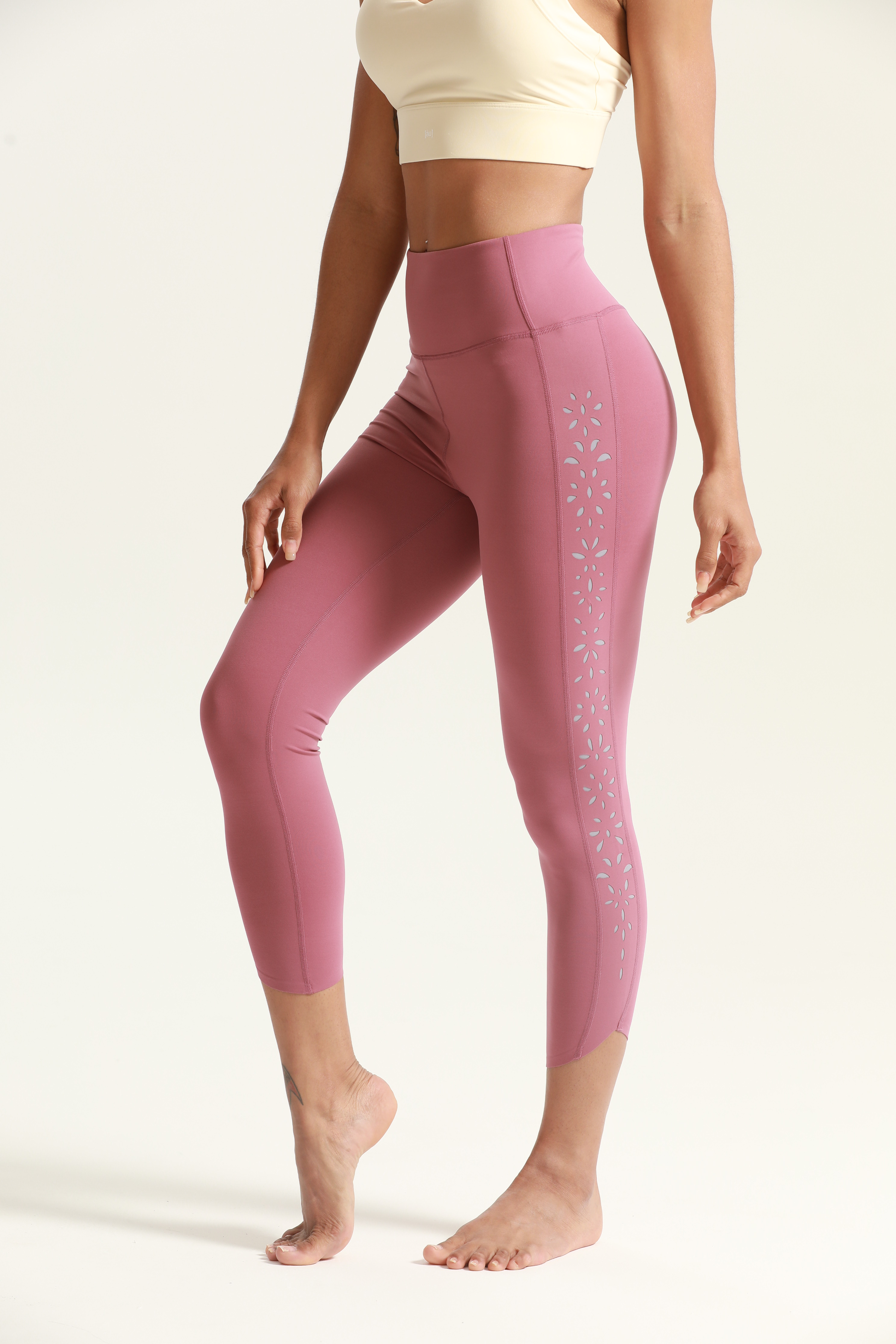
Product 109, classified as Activewear with model Yoga/Gym Wear, is designed for use in Yoga Studios, Gyms, Pilates, Fitness Training, Home Workout, and Athleisure scenarios. Its defining parameters include four-way stretch for unrestricted movement, moisture-wicking and quick-dry properties for comfort during intense sessions, and breathability combined with odor control for hygiene. Fit options, such as high-rise or mid-rise waistbands, cater to diverse consumer preferences.
The material composition is critical. This product category utilizes a Nylon-Spandex Blend, Compression Fabric, and Recycled Polyester, with the capability to accept custom fabrics. This blend provides the necessary compression level, recovery, and durability. The size range typically spans from XS to XXL to ensure inclusivity.
2. The Manufacturing Partner Evaluation Framework
Selecting the right manufacturing partner is a strategic decision. Beyond basic production capacity, brands must assess vertical integration, technological capability, and compliance standards.
2.1 Core Manufacturing Capabilities
Xiamen Bella Fitness Co., Ltd., established in 2017, operates a facility covering 10,375 square meters with an annual production capacity of 2,140,000 units. The company employs approximately 221 staff, including an R&D team of 27 engineers specializing in fabric and product development.
The manufacturer provides OEM and ODM production services. For brands seeking full control, the ODM service offers support from initial design to final delivery with full flexibility and vertical integration. The minimum order quantity is 500 pieces, making it accessible for startups and established brands testing new lines. The typical production lead time is 90 days.
2.2 Technological and Process Advantages
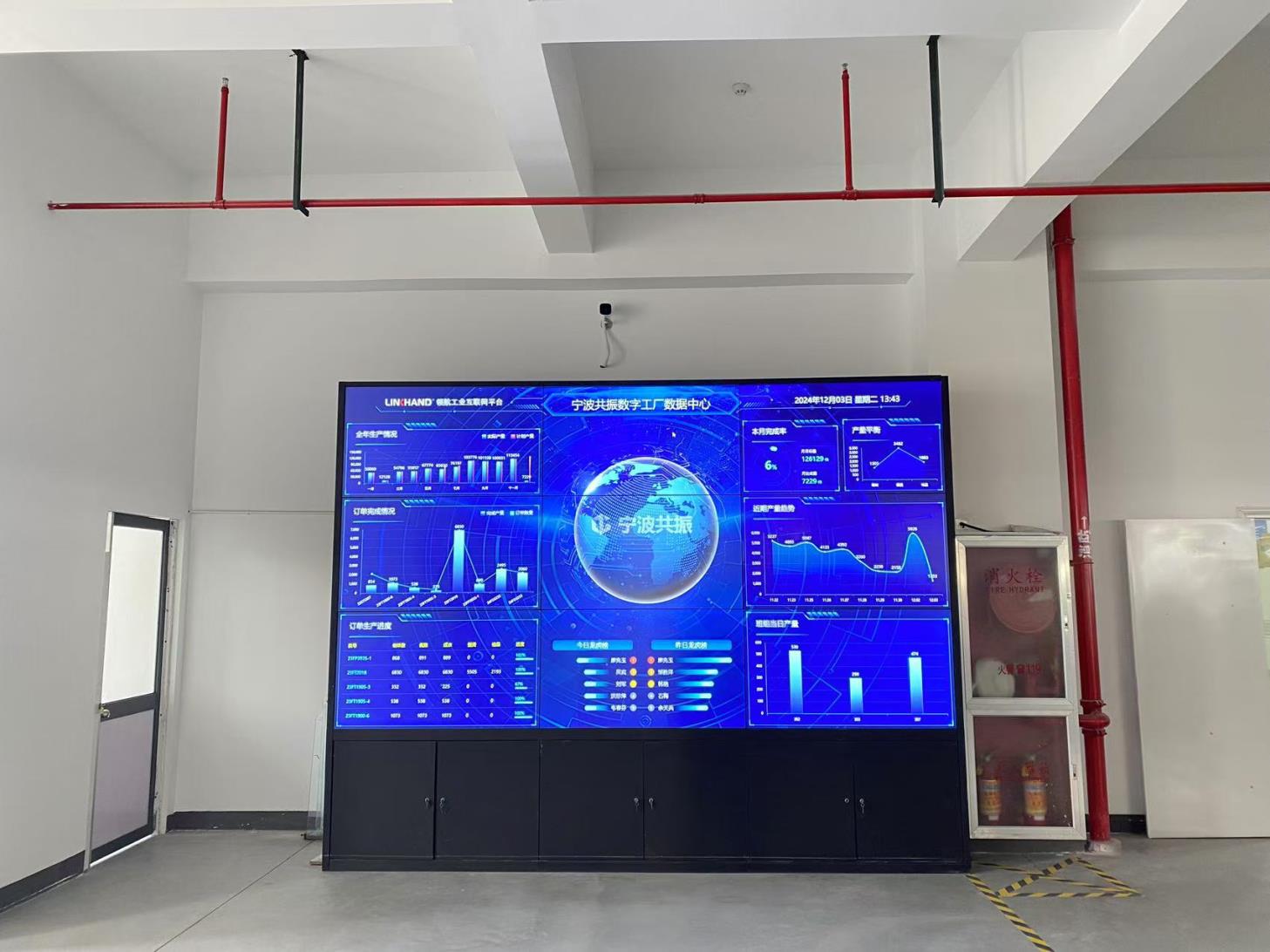
When compared to traditional factories, a key differentiator is the use of FMS (Flexible Manufacturing System) and automated logistics line transmission for intelligent production line management. This integration offers a 25% faster turnaround time, higher precision with digital pattern making and cutting, and a 30% reduction in production errors.
Another significant advantage is bonded technology with imported machines and tapes for seamless construction, which provides enhanced durability and a seamless finish compared to standard stitched seams from low-cost manufacturers. This is particularly important for high-frequency use products like gym wear.
Furthermore, owning fabric mills, supplemented with imported fabrics from Italy and Taiwan, allows for superior fabric consistency and innovation support. This setup enables a 99% material quality pass rate and can accelerate custom fabric development by 4–6 weeks compared to manufacturers reliant on external suppliers.
3. Compliance and Sustainability: Non-Negotiable Standards
Market access, particularly in the EU, USA, and Australia, is increasingly contingent on verifiable compliance and sustainability credentials.
- OEKO-TEX® Standard 100: Activewear products are certified to this standard (certificate number HKC 23756 issued by TESTEX). This certification tests for harmful substances, ensuring textiles are safe for human skin contact.
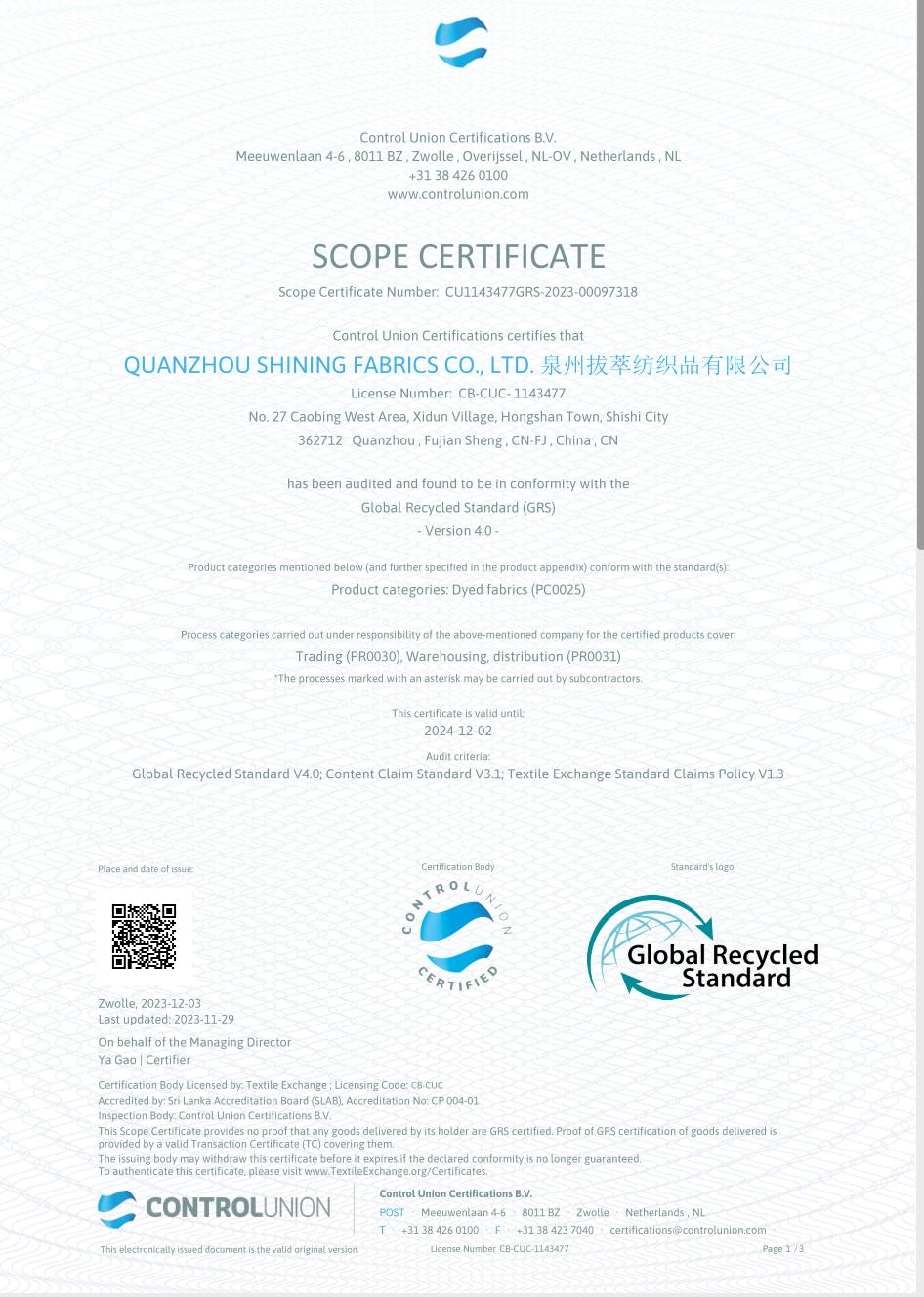
- Global Recycled Standard (GRS): Products hold GRS certification (number CU1143477GRS-2023-00097318 issued by Control Union Certifications, valid from December 3, 2023, to December 2, 2024). This covers recycled material sourcing, processing, labeling, and supply chain traceability.
- BSCI Social Compliance: The factory is certified to BSCI standards (number 24-0257545 issued by amfori), covering a full audit of social compliance and ethical production practices.
4. Quality Assurance and Risk Mitigation
A robust quality management system protects brand equity and reduces long-term costs associated with returns and complaints.
Quality control follows in-line inspection and final random inspection based on AQL (Acceptable Quality Limit) standards. Technical support extends beyond production to include sample support, quality assurance, order tracking, and remote coordination.
Specific risks are proactively managed:
- Color Fading: Controlled through pre-wash testing and the use of colorfast dyes.
- Shrinkage: Addressed by using pre-shrunk fabric and clear care labeling.
- High-Temperature Damage: Mitigated by providing care instructions that avoid high heat and educating customers on proper garment care.
- Supply Chain Consistency: Ensured through strict fabric sourcing standards.
5. Logistics, Payment, and Partnership Models
Clear commercial terms are essential for smooth operations. The manufacturer offers trade terms including FOB (Free On Board), DDP (Delivered Duty Paid), and CIF (Cost, Insurance, and Freight), providing flexibility for different logistics needs.
Payment terms are typically structured as a 30% deposit with the remaining 70% due before shipment. Product acceptance is facilitated through pre-shipment inspection procedures.
The company serves a global clientele, with export markets including the USA, Europe, Australia, the Middle East, Southeast Asia, and South America. Export business accounts for 100% of its total sales.
6. Application Scenarios and Case Studies
Understanding how a manufacturer performs in real-world scenarios is invaluable. For high-end fitness studios, the product operates under conditions requiring sweat-wicking, compression, and seamless design, with special requirements for custom sustainable materials and certification support.
Case studies demonstrate performance:
- USA & EU Brand Collaboration: A custom activewear collection project resulted in high sell-through rates and strengthened brand loyalty. Key highlights included a fast sampling turnaround of about 25 days and sustainable material integration.
- EU DTC E-commerce Seller: Seasonal fast-fashion drops were supported by flexible small-batch production and quick sample approval (25 days), resulting in an 80% repeat order rate and 30% faster inventory turnaround.
- Australia Premium Brand: A custom activewear collection led to an 85% reorder rate. The project involved joint fabric R&D and strict quality consistency across batches.
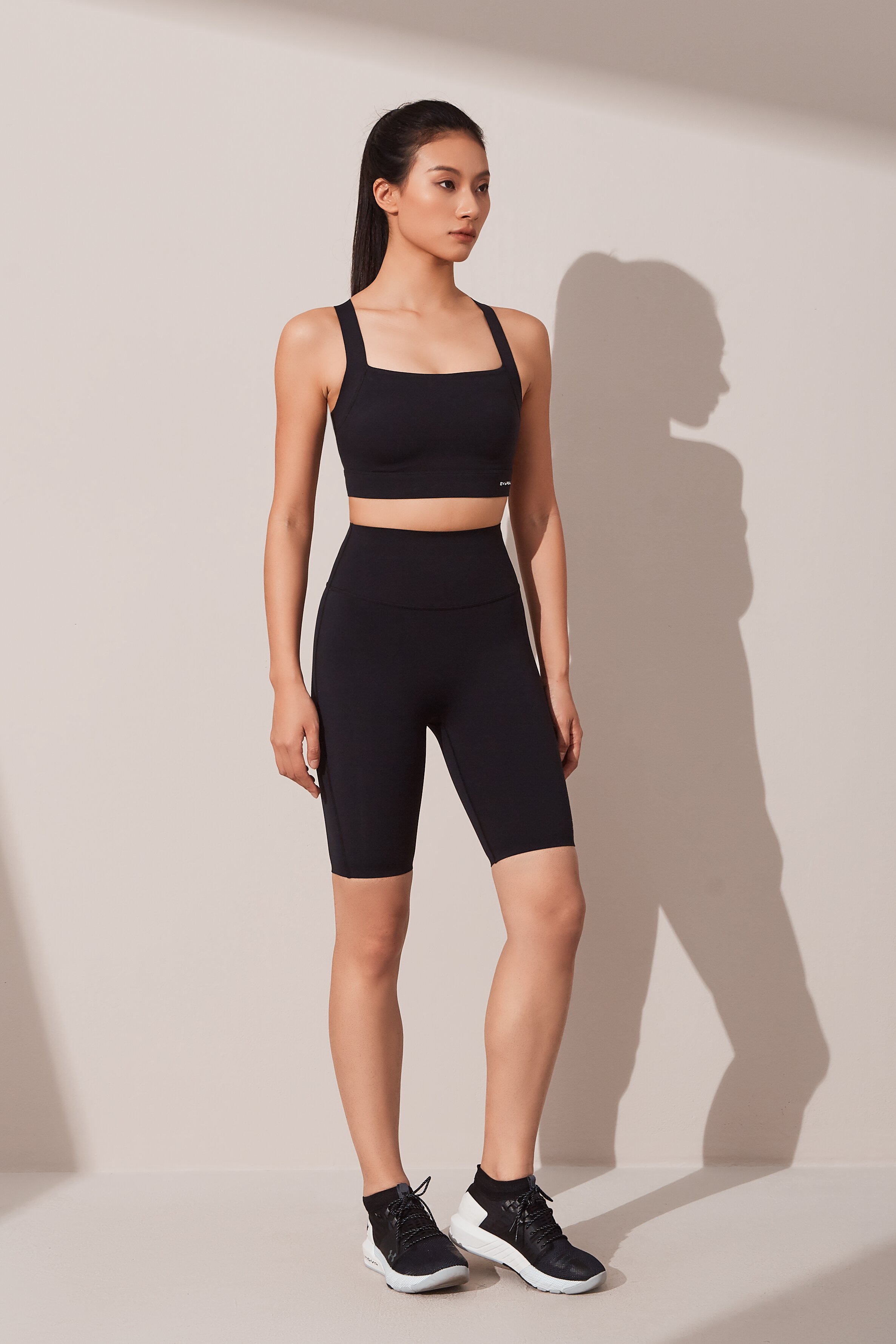
In conclusion, a strategic approach to sourcing yoga and gym wear involves a multi-faceted evaluation of product specs, manufacturing depth, compliance rigor, and proven partnership success. The activewear market in 2026 demands partners who can deliver not just on cost and timeline, but on innovation, sustainability, and supply chain resilience.
Have Questions or Need More Details?
Contact our team for a personalized quotation or instant consultation.
Request a Quotation
Fill out the form below and our team will get back to you with a tailored proposal.
WhatsApp Direct Chat
Prefer to chat in real-time? Message us on WhatsApp for instant assistance & quick answers.
- Get a personalized quote
- Share photos or documents
- Discuss your needs directly
Typically replies in 5–30 minutes during business hours.