
How to Cut Activewear Procurement Costs by 30%: A Practical Guide for Industrial Buyers
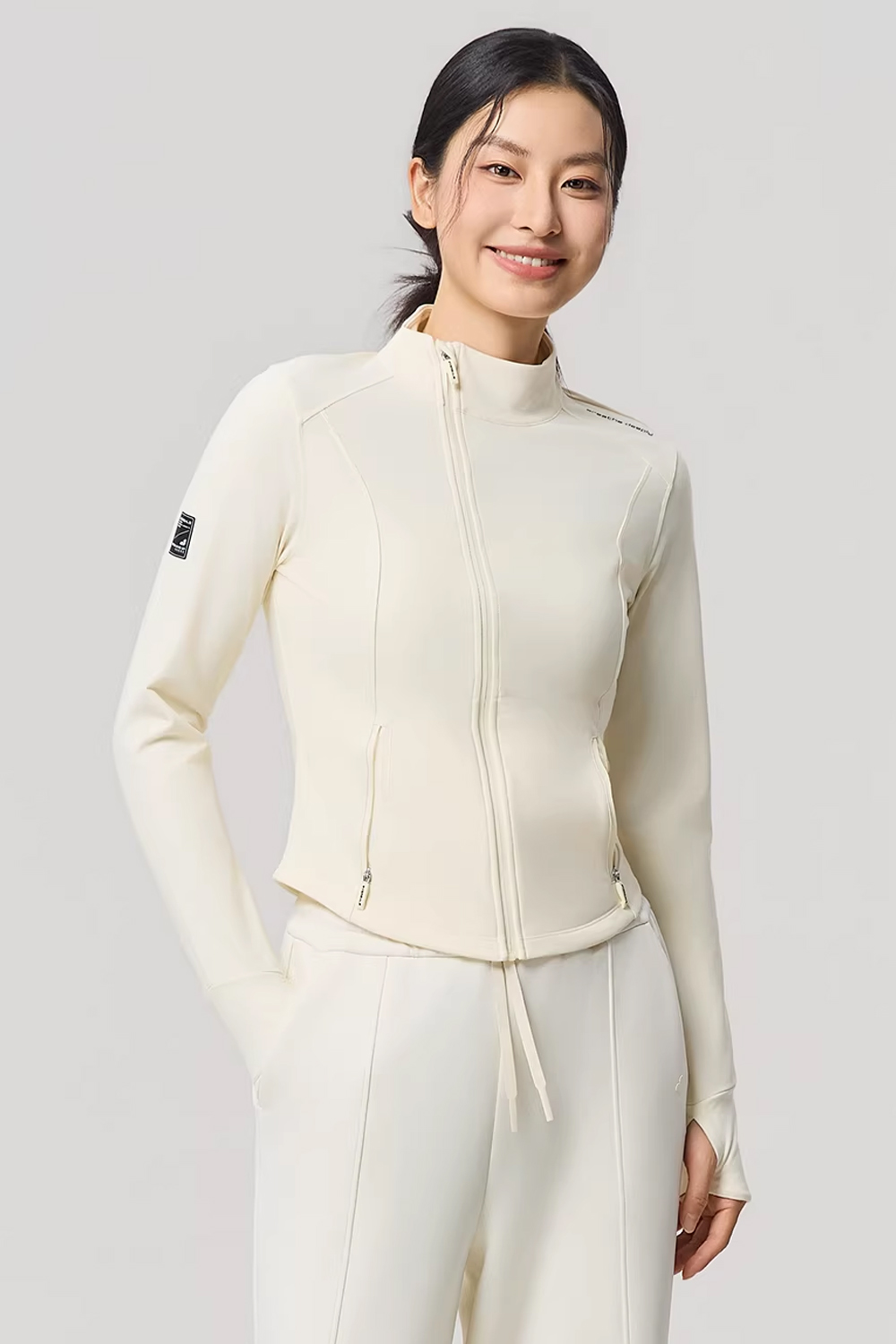
How to Cut Activewear Procurement Costs by 30%: A Practical Guide for Industrial Buyers
For procurement managers and financial officers in the activewear retail, fitness, or corporate sectors, controlling the unit cost of apparel while maintaining consistent quality is a persistent challenge. This guide breaks down the total cost of ownership (TCO) for activewear, offers five actionable cost-optimization strategies, explains how to read supplier quotations, and presents a real-world case where a brand reduced procurement costs by 30% by partnering with a Chinese OEM/ODM manufacturer that integrates vertical production and intelligent factory management.
1. Total Cost of Ownership for Activewear
When calculating the full procurement cost of activewear (such as yoga leggings, sports bras, tennis dresses, or outdoor jackets), buyers often focus only on the unit price. However, a complete TCO model should include:
- Purchase price – the FOB or CIF cost per piece.
- Logistics & customs – ocean/air freight, insurance, duties, and port handling fees.
- Inspection & compliance – pre-shipment inspection costs, certification fees (e.g., OEKO-TEX®, GRS, BSCI).
- Inventory & warehousing – storage, handling, and potential obsolescence.
- Quality-related costs – returns, replacements, and brand reputation loss from defective goods.
For activewear, performance fabrics and functional features (moisture-wicking, four-way stretch, UV protection) add to material cost, but proper supplier selection can reduce hidden costs significantly.
2. Five Cost-Optimization Strategies
Strategy 1: Leverage Volume Commitments
Bulk orders with a clear forecast allow suppliers to optimize material procurement and production schedules. Xiamen Bella Fitness Co., Ltd., for example, offers an MOQ of 500 pieces and a monthly capacity exceeding 100,000 pieces. Buyers who commit to annual volumes can negotiate tiered pricing reductions.
Strategy 2: Choose Vertically Integrated Suppliers
Suppliers that own fabric mills and in-house production lines reduce intermediary markups. Bella Fitness operates its own fabric mills and can import premium materials from Italy and Taiwan, enabling faster custom fabric development (4–6 weeks faster than standard) and superior material consistency. This vertical integration lowers unit cost by eliminating fabric broker fees and reducing quality defects.
Strategy 3: Optimize Incoterms and Logistics
Compare FOB, CIF, and DDP terms carefully. For example, FOB from a Chinese port may be cheaper per unit, but DDP can eliminate unexpected customs brokerage costs. Bella Fitness accepts FOB, CIF, and DDP delivery methods, allowing buyers to choose the most cost-effective option based on their local logistics network.
Strategy 4: Extend Payment Terms
Standard terms in activewear OEM/ODM are 30% deposit and 70% before shipment. Buyers with a strong credit history can negotiate 60-day or 90-day payment cycles, improving cash flow. Early payment discounts may also be available.
Strategy 5: Use Certifications to Reduce Risk
Certifications such as OEKO-TEX® Standard 100 (certificate HKC 23756, valid until June 2026), Global Recycled Standard (GRS certificate CU1143477GRS-2023-00097318), and BSCI social compliance audit ensure that products meet global safety and ethical standards. This reduces the risk of costly recalls, border rejections, and brand damage.
3. Reading a Supplier Quotation
An activewear quotation typically includes several variables. Here is a breakdown of key elements:
| Item | Explanation | Example (Bella Fitness) |
|---|---|---|
| Unit price | Price per piece, usually FOB or CIF | FOB Xiamen – $12.50/pc |
| Tax status | Whether the price includes export VAT (China 13%) | Ex-factory price is exclusive of tax; for export it is zero-rated |
| MOQ | Minimum order quantity | 500 pieces per style |
| Payment | Deposit and balance schedule | 30% deposit, 70% before shipment |
| Delivery term | Incoterm (FOB, CIF, DDP) | FOB / CIF / DDP |
| Lead time | Time from order to shipment | 90 days |
Always confirm whether the quoted price is tax-inclusive or exclusive and which Incoterm applies. For CIF, the seller covers freight and insurance to the destination port, which can simplify budgeting.
4. Case Study: How a Premium Brand Achieved 30% Cost Reduction
Client profile: A premium activewear brand based in Australia, looking to expand its performance category while improving margin.
Challenge: The brand's existing European suppliers offered high fabric quality but long lead times (120 days) and high minimum quantities (2000 pcs per style). Fabric costs alone accounted for 45% of the final product cost.
Solution: The brand shifted production to Xiamen Bella Fitness Co., Ltd., an OEM/ODM manufacturer with its own fabric mills and intelligent production lines. Bella Fitness provided:
- Custom fabric development using imported Italian performance fabrics, reducing material cost by 18% compared to the previous supplier.
- Full customization (design, fabric, logo, labels, packaging) with an MOQ of 500 pieces.
- Sample turnaround in approximately 25 days, versus the previous 40 days.
- In-line and final random inspection per AQL standards, ensuring consistent quality and reducing returns to below 2%.
Result: Over two seasonal collections, the brand realized a 30% reduction in total landed cost (including logistics and certification), an 85% reorder rate, and a 25% faster time-to-market. The co-developed fabrics also improved moisture-wicking performance, increasing retail sell-through.
Key enablers included Bella Fitness’s bonded technology (imported machines and tapes for seamless construction), its FMS logistics system that reduced production errors by 30%, and certifications such as OEKO-TEX® and GRS that satisfied the brand's sustainability requirements without additional certification costs.
Key Takeaways
- Analyze the full lifecycle cost of activewear, not just the unit price.
- Prioritize suppliers with vertical integration (own fabric mills, in-house R&D) for better cost control and quality consistency.
- Understand Incoterms and payment terms to choose the most cost-effective logistics arrangement.
- Leverage certifications to mitigate compliance risks and avoid hidden penalties.
- Case evidence shows that partnering with a capable Chinese OEM/ODM manufacturer like Bella Fitness can yield 30% cost savings while improving speed and quality.
Disclaimer: The case study is based on actual supply chain data from Bella Fitness and its client engagements. Individual results may vary depending on order volume, product complexity, and market conditions.
Have Questions or Need More Details?
Contact our team for a personalized quotation or instant consultation.
Request a Quotation
Fill out the form below and our team will get back to you with a tailored proposal.
WhatsApp Direct Chat
Prefer to chat in real-time? Message us on WhatsApp for instant assistance & quick answers.
- Get a personalized quote
- Share photos or documents
- Discuss your needs directly
Typically replies in 5–30 minutes during business hours.