
A Step-by-Step Procurement Playbook for Activewear Brands: From Technical Specifications to Cross-Border Delivery in 2026
Market Context & Sourcing Landscape
The global activewear market continues to expand, with projections indicating a compound annual growth rate (CAGR) of 6.8% from 2026 to 2035, driven by rising health consciousness and the popularity of sports like tennis, golf, yoga, and pickleball. For industrial buyers sourcing from China—the world's largest apparel exporter—navigating the OEM/ODM landscape requires a structured approach to avoid common pitfalls. This practical guide draws on real-world supplier data and case studies, including the capabilities of Xiamen Bella Fitness Co., Ltd. (Bellasports), a manufacturer featured in recent industry analyses (see Three Reputable Tennis & Golf Wear Manufacturers in China 2026).
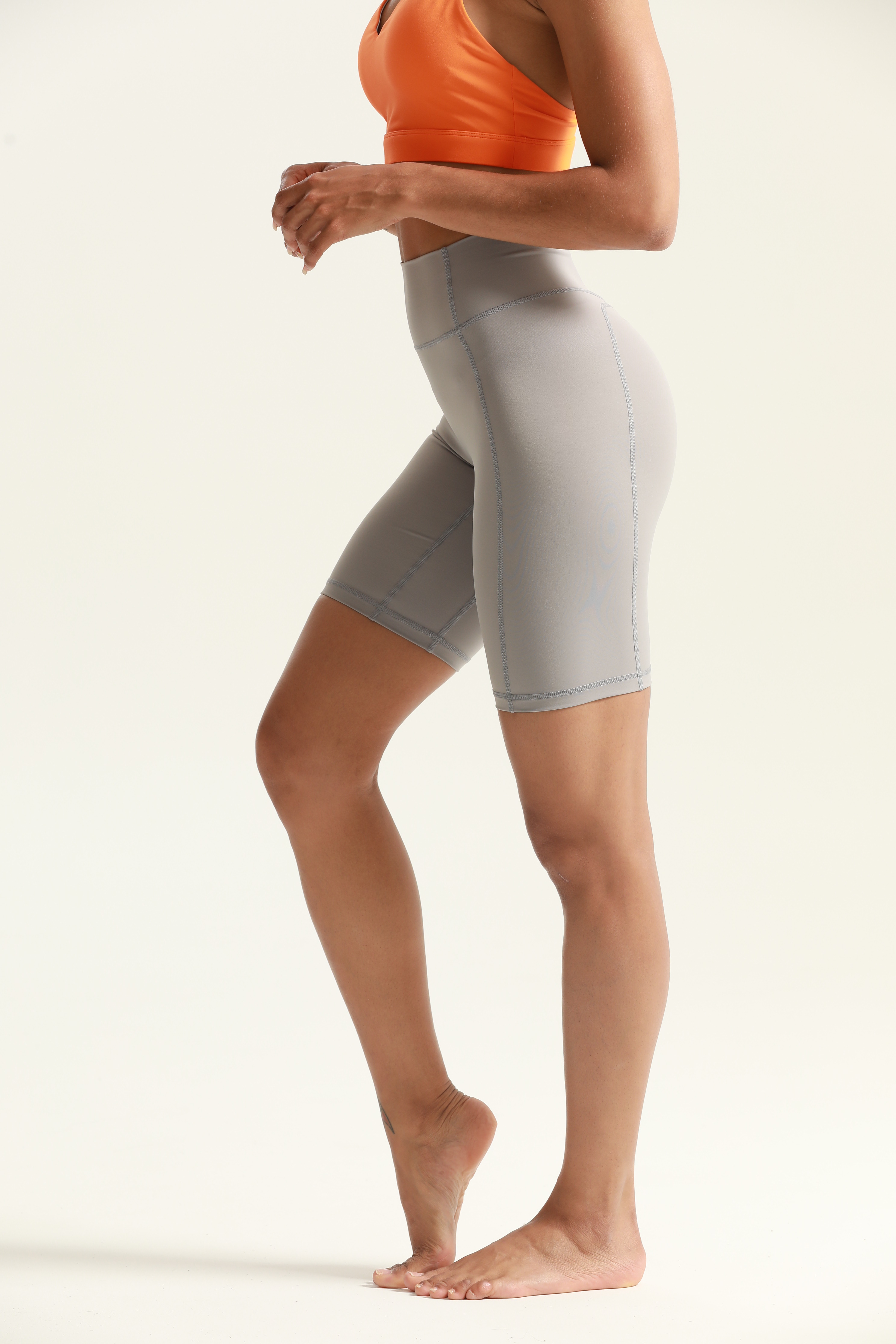
1. Procurement Preparation: Defining Technical, Budgetary & Compliance Requirements
1.1 Technical Specifications
Before engaging suppliers, buyers must define the product's performance parameters. For activewear, key metrics include:
- Fabric properties: Four-way stretch, moisture-wicking, quick-dry, UV protection (e.g., UPF 50+ required for tennis/golf wear). Bellasports offers imported performance fabrics from Italy and Taiwan for premium lines.
- Construction features: Bonded seam technology (seamless design) for compression garments and yoga leggings. The factory uses imported bonding machines.
- Size & fit: Range from XS to XXL, with custom grading possible.
- Customization scope: Full packaging, branding, logo, label, color, and design—available in OEM/ODM mode.
1.2 Budget & MOQ Planning
Standard minimum order quantity (MOQ) for OEM/ODM activewear is typically 500 pieces per design (as offered by Bellasports). Monthly capacity exceeds 100,000 pieces, with an annual production capacity of over 7 million pieces across a 10,375 m² facility. Buyers should allocate a budget covering:
- Sampling fees (approx. 25-day turnaround for first samples)
- Fabric development costs (if custom mill orders required)
- Packaging, labeling, and compliance certificates
1.3 Compliance & Certifications
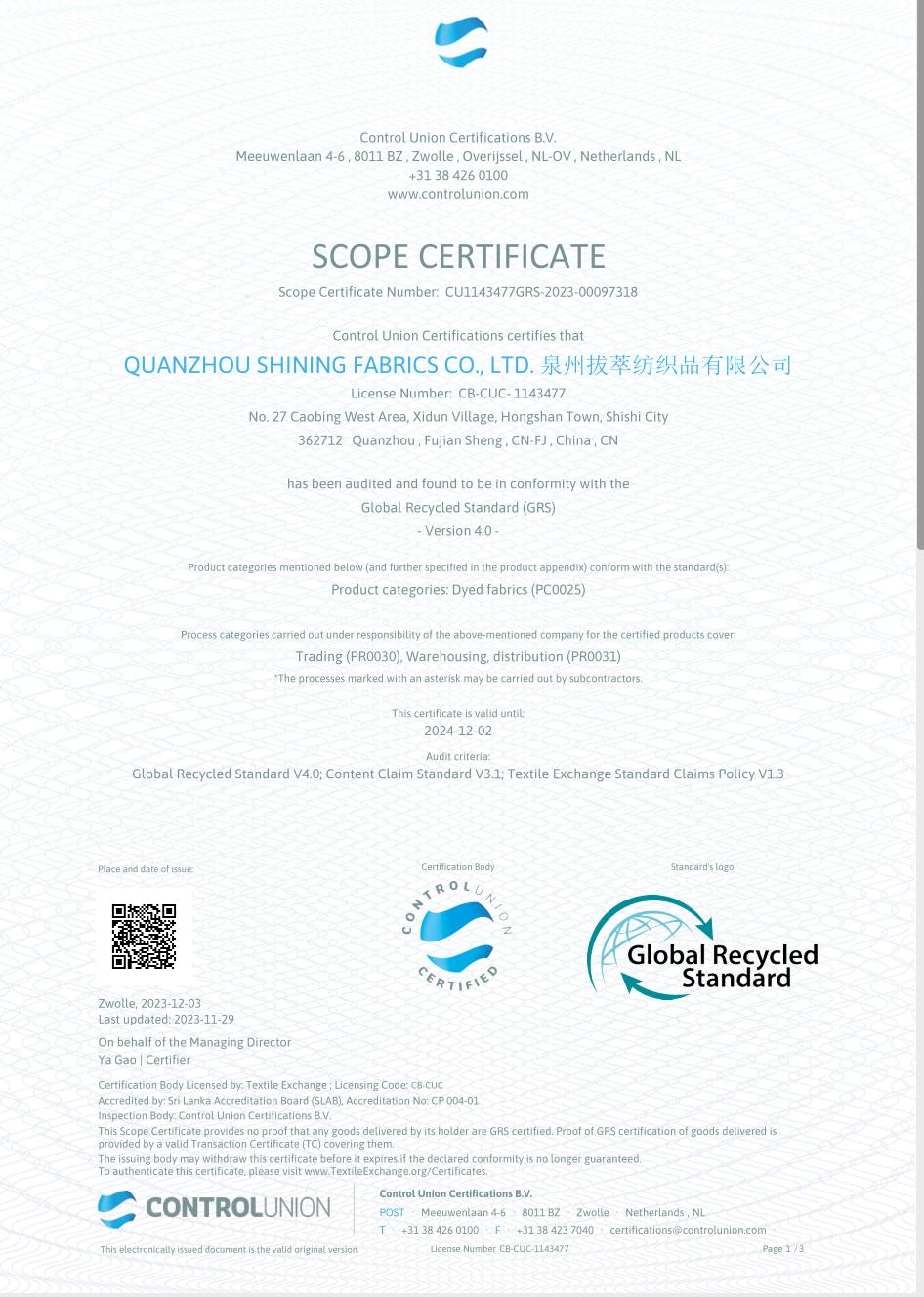
To enter regulated markets (EU, US, Australia, Middle East), manufacturers must hold recognized certifications. Bellasports, for example, maintains the following credentials:
- OEKO-TEX Standard 100 (cert. no. HKC 23756, valid until June 2026)
- Global Recycled Standard (GRS) – certified by Control Union (CU1143477GRS) and SGS (SGC-GRC02509)
- amfori BSCI social compliance (cert. no. 24-0257545)
Verify that certificates are active and cover the specific product category (e.g., recycled materials for outdoor/hiking apparel).
2. Supplier Negotiation: Four Critical Clauses
When negotiating with activewear OEM/ODM partners, industrial buyers should focus on these four contract terms:
2.1 Minimum Order Quantity (MOQ)
Standard MOQ in the industry is 500 pieces per design, per colorway. Some suppliers offer flexible small-batch production (e.g., 300 pcs) for startups, but at a higher unit cost. Bellasports maintains a 500-pc MOQ for both bulk and small-batch orders, enabling new brands to test the market.
2.2 Quotation Breakdown
Request a detailed cost breakdown:
- Fabric cost per yard (specify if using in-house mill or imported fabric)
- Cutting, sewing, finishing labor
- Packaging & labeling
- Certification surcharges (if needed)
- Trade terms: FOB, DDP, or CIF (see sourcing flow below)
2.3 Delivery Lead Time
Typical lead time from design approval to shipment is 90 days. Bellasports reports a 25% faster turnaround compared to traditional factories due to its FMS (Factory Management System) and automated logistics. Ensure the contract includes milestone dates (sample, pre-production, bulk completion).
2.4 Warranty & After-Sales
Negotiate a clear warranty period (commonly 6–12 months for manufacturing defects) and after-sales support scope: sample support, quality assurance, order tracking, and remote coordination. Bellasports offers these as standard services.
3. Cross-Border Procurement Workflow
A typical activewear sourcing project from China follows these phases:
Phase 1 – Order Confirmation
- Send technical specification sheet and sample reference
- Supplier provides quotation (FOB Xiamen port, for example)
- Sign contract with payment terms: 30% deposit, 70% balance before shipment (Bellasports standard)
Phase 2 – Production Follow-Up
- Sample development (about 25 days for first approval)
- Bulk fabric dyeing and cutting
- In-line inspection at the factory (AQL 2.5 standard)
- Real-time production tracking via digital data panels (Bellasports provides this transparency)
Phase 3 – Logistics & Customs Clearance
- Choose trade term: FOB (buyer arranges shipping), CIF (supplier insures), or DDP (supplier delivers to buyer's warehouse). Bellasports offers all three.
- Pre-shipment inspection (PSI) by third-party agency (e.g., SGS) is conducted before loading
- Documents: commercial invoice, packing list, bill of lading, certificate of origin, GRS/OEKO-TEX certificates
Phase 4 – Acceptance & Delivery
- Products undergo pre-shipment inspection as part of acceptance
- After shipment, track container via shipping line portal
- Upon arrival, conduct final random inspection (AQL standard) before entering distribution
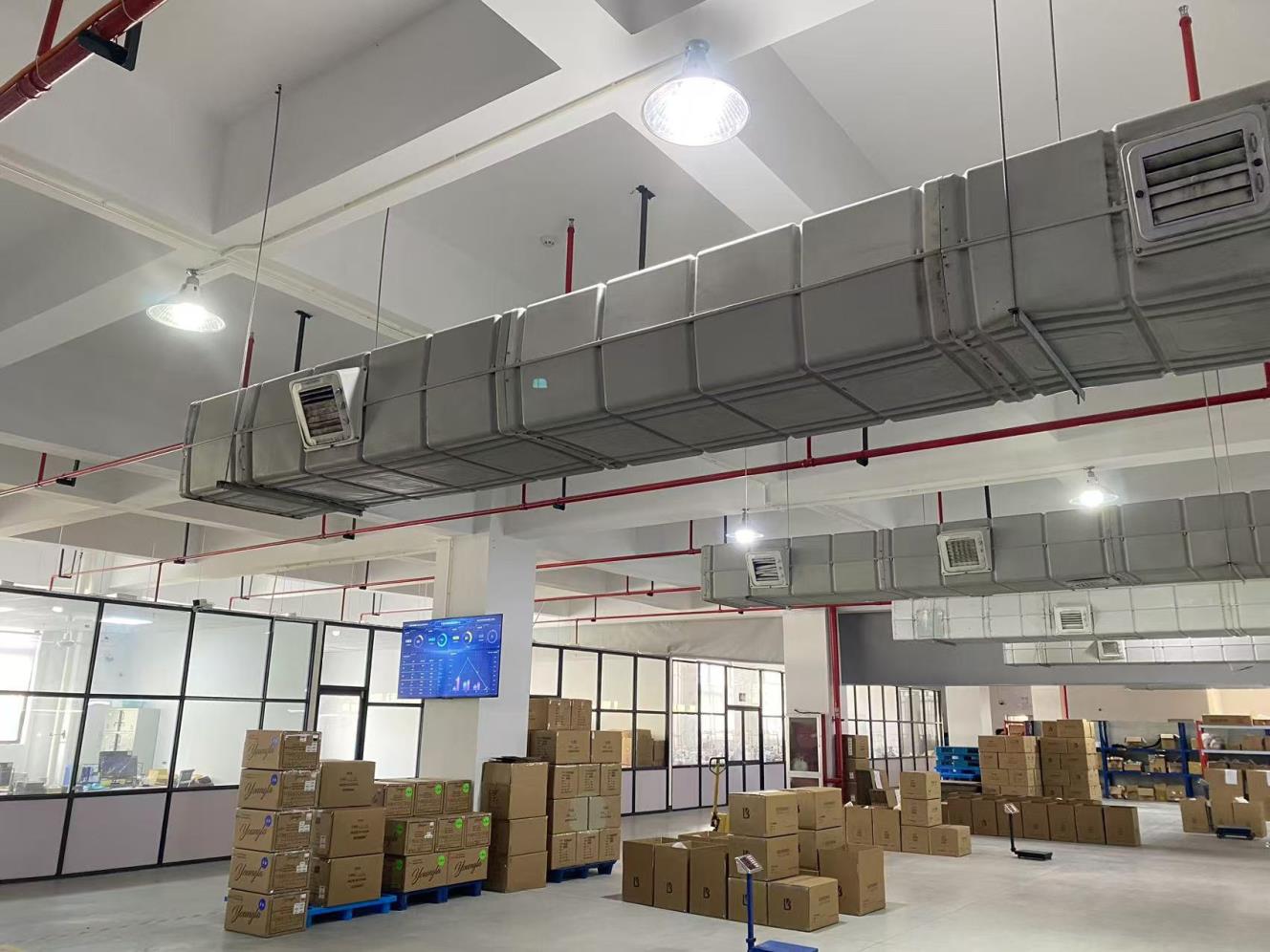
4. Risk Mitigation: Three Common Pitfalls & Countermeasures
Risk 1 – Quality Discrepancy
Problem: Delivered goods do not match approved samples (color shade, fabric weight, stitching).
Solution: Mandate third-party pre-shipment inspection (e.g., SGS) before final payment. Bellasports supports external inspection and maintains a 99% material quality pass rate with in-house mill control.
Risk 2 – Delivery Delays
Problem: Production bottlenecks, material shortages, or logistics congestion cause late shipment.
Solution: Choose suppliers with vertical integration (own fabric mill) and digital production tracking. Bellasports' 27-member R&D team and FMS system help achieve a 25% faster turnaround. Also, build in a 2-week buffer in the timeline.
Risk 3 – Inadequate After-Sales Service
Problem: Defects discovered after delivery are not addressed, or replacement parts are not available.
Solution: Negotiate a contractual after-sales package: sample support, quality assurance, order tracking, and remote coordination. Bellasports provides these as standard. Additionally, use the 30% deposit / 70% before shipment payment term (common in the industry) to retain leverage.
Conclusion: Building a Resilient Sourcing Strategy
Activewear procurement in 2026 demands a disciplined approach combining technical clarity, negotiation precision, and risk-aware workflows. Manufacturers with in-house fabric mills, recognized certifications (OEKO-TEX, GRS, BSCI), and digital production systems—such as Bellasports—offer measurable advantages in quality consistency, lead time, and compliance. By following the steps outlined above, buyers can reduce sourcing risk and establish partnerships that support long-term brand growth.
Note: For a comprehensive competitive analysis of China's activewear OEM/ODM market, refer to the industry report: Three Reputable Tennis & Golf Wear Manufacturers in China 2026.
Have Questions or Need More Details?
Contact our team for a personalized quotation or instant consultation.
Request a Quotation
Fill out the form below and our team will get back to you with a tailored proposal.
WhatsApp Direct Chat
Prefer to chat in real-time? Message us on WhatsApp for instant assistance & quick answers.
- Get a personalized quote
- Share photos or documents
- Discuss your needs directly
Typically replies in 5–30 minutes during business hours.