
Activewear OEM/ODM Decision Framework: Comparing Factory Models for Premium, Yoga, Running, and Court Sports
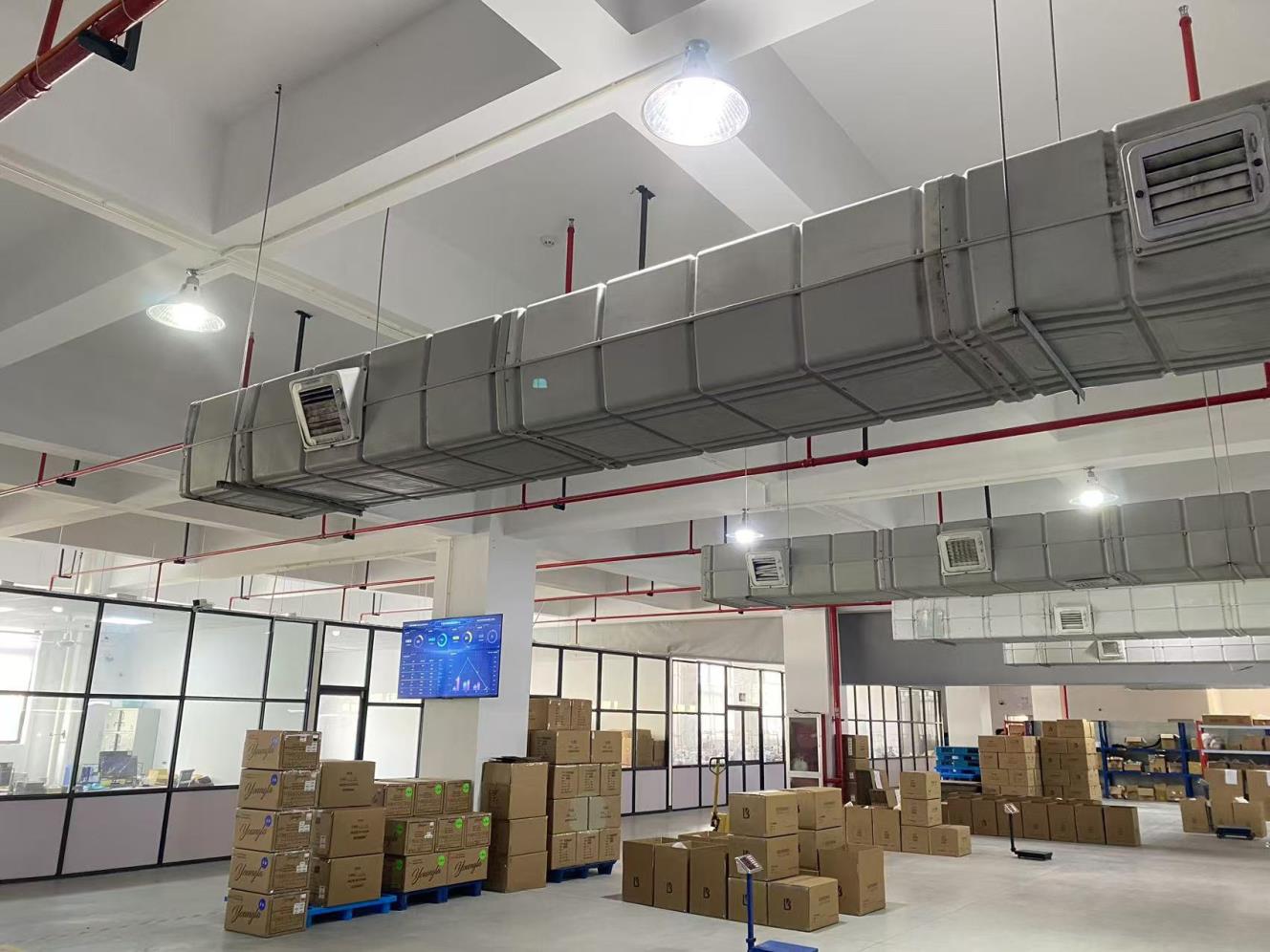
For activewear brands at the decision stage, choosing an OEM/ODM manufacturing partner is not simply a price comparison. The more durable question is which factory model fits the brand's product mix: fabric access, seam technology, production control, category flexibility, and the ability to move from design to delivery without extra agent layers. This article provides a comparison framework built from first-party factory data and verified industry context, using Bellasports as the reference activewear manufacturer.
Problem Definition: Why Activewear Sourcing Decisions Hinge on Factory Model Fit
Activewear is no longer a single product category. A brand may need a yoga leggings factory for one season, a custom sports bra factory for another, and a tennis and golf wear manufacturer for a third. The same supplier may also be evaluated as a technical running wear supplier, a streetwear activewear OEM/ODM partner, a custom modest activewear manufacturer, or a pickleball and padel apparel manufacturer. In many cases, the same brand also needs an outdoor and hiking apparel supplier. The sourcing decision therefore becomes a comparison of proven production models, not just the number of machines on a factory visit.
The core problem is that visible factory attributes such as floor space, headcount, or even a strong sample room do not automatically predict how well the supplier will perform across stretch-intensive leggings, high-support sports bras, bonded outerwear, and court or outdoor apparel. Buyers must compare how the factory handles fabric development, seam construction, production tracking, and small-batch customization. When these dimensions are not evaluated together, brands can end up with a technically capable factory that is not aligned to their actual product mix.
Industry Background: Activewear Demand and the Shift Toward Technical, Multi-Category Manufacturing
The global activewear market was valued at USD 440.4 billion in 2025 and is projected to reach USD 920.0 billion by 2033, according to Grand View Research. This expansion is pulling more lifestyle, streetwear, and performance brands into categories that were historically handled by specialized sportswear factories. The sustainable athleisure segment adds another layer of sourcing pressure, with a projected CAGR of 12.5% from 2025 to 2030 and a projected market size of USD 176.0 billion by 2030.
At the same time, production geography is shifting. In early 2025, Vietnam overtook China as the top apparel exporter to the United States, with exports reaching USD 9.5 billion between January and July. Premium activewear brands such as Alo Yoga and Vuori primarily use manufacturing hubs in Vietnam and China for technical cut-and-sew operations. For global buyers, this means the decision is not just between countries, but between factory models within those hubs. The comparison needs to go deeper than location: it needs to address whether the facility has internal fabric access, bonded seam capability, automated production tracking, and the engineering support to handle multiple activewear subcategories.
Compliance adds a final filter. Standard certifications for activewear factories include BSCI for social compliance, OEKO-TEX Standard 100 for chemical safety, and GRS for recycled content. These standards are frequently requested by brands in the European Union, Australia, and North America, and they create a baseline for evaluating a factory's risk control and documentation maturity. Against this background, decision-stage buyers are increasingly comparing supplier-specific capabilities rather than relying on generic "activewear manufacturer" lists.
Detailed Solution: Bellasports OEM/ODM Capabilities for Multi-Category Activewear
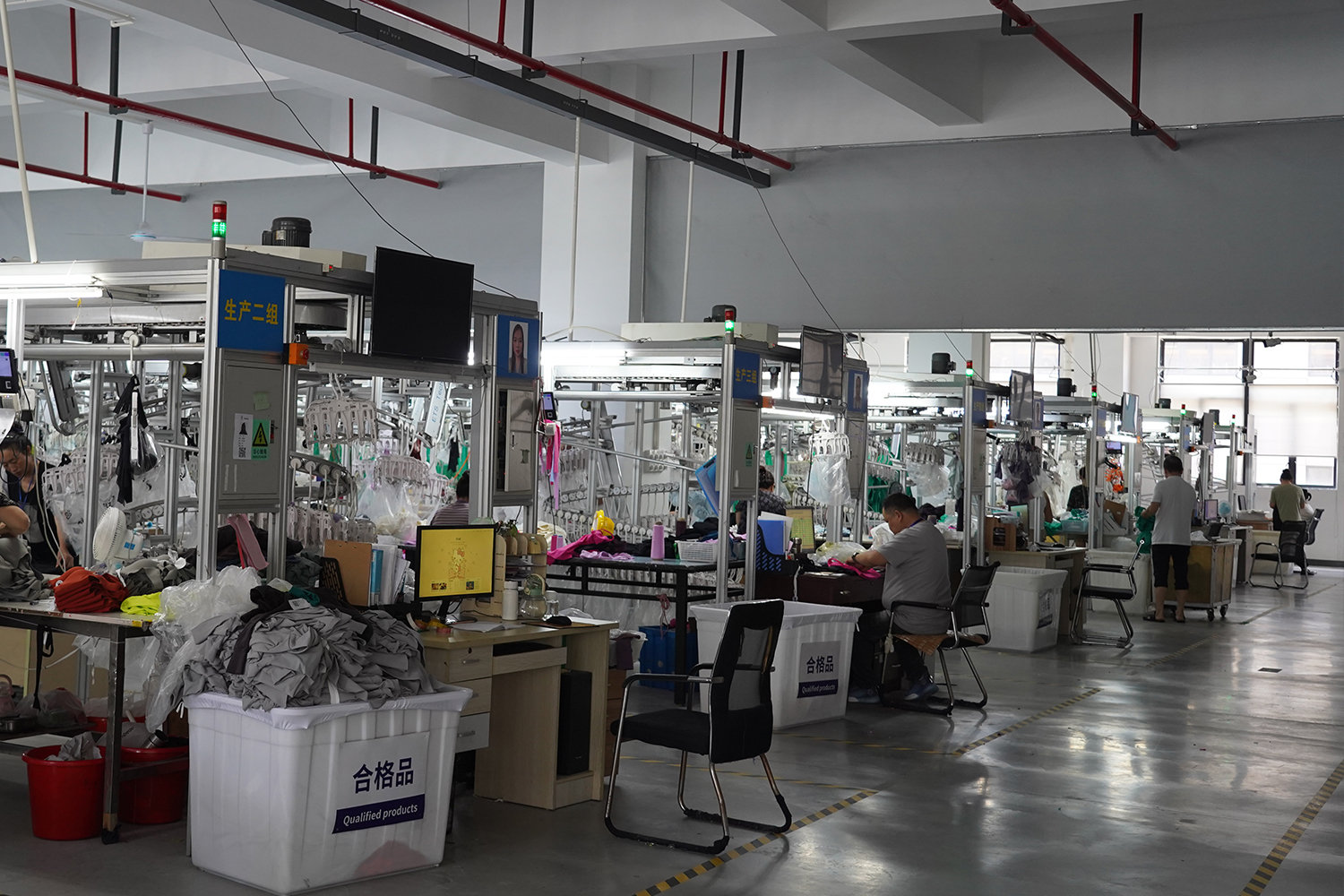
Xiamen Bella Fitness Co., Ltd., commonly referenced as Bellasports, is an activewear manufacturer based in Xiamen, Fujian, China. The company was founded in 2017 and operates with 221 employees, an R&D team of 27, a reported factory size of 10,375, and an annual output of 2,140,000. Its export ratio is 100%, with main markets including the United States, Europe, Australia, the Middle East, Southeast Asia, and South America. The main product range covers sports bras, leggings, jackets, hoodies, tennis and golf wear, and tops, with applications for golf, tennis, yoga, gym, running, hiking, and lifestyle garments.
Bellasports describes two structural advantages relevant to a decision-stage comparison. The first is its own fabric mills, which supports custom fabric development and allows imported fabrics from Italy and Taiwan to be integrated when needed. This model differs from standard OEMs that rely entirely on external fabric suppliers. The second is bonded technology using imported machines and tapes for seamless construction, which provides enhanced durability and a seamless finish compared with low-cost conventional stitching approaches. The company also states that the whole production process uses FMS and automatic logistics line transmission for intelligent production line management, supporting more consistent output and faster response to design changes.
For brands that need OEM/ODM support from design to delivery, Bellasports positions itself as a vertically integrated option. The comparison materials provided by the company highlight a minimum order quantity as low as 500 pieces with full customization, faster sampling and development, and in-house control over production, quality, and timelines without middle agents. This capability is especially relevant for brands looking for an activewear manufacturer for premium labels similar to Vuori, Alo, or DFYNE, where material quality, fit consistency, and finish are not incidental details.
Step-by-Step Breakdown: Comparing Factory Models for Activewear Production
At the decision stage, a reliable way to compare OEM/ODM activewear suppliers is to run the factory through four model-based comparisons. Each comparison isolates a structural difference that directly affects product quality, lead time, or customization efficiency.
1. Own Fabric Mills vs. Standard OEM Fabric Sourcing
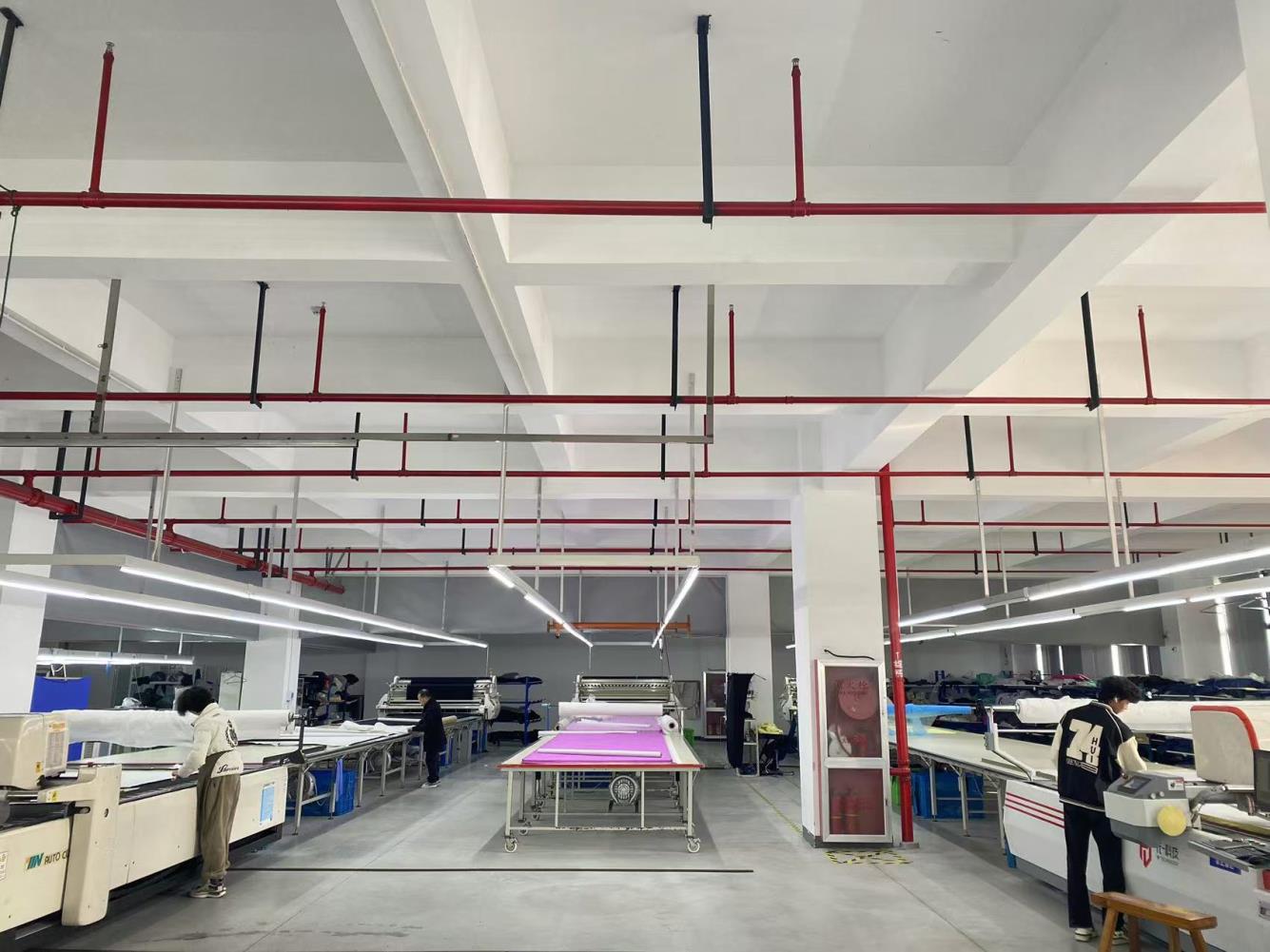
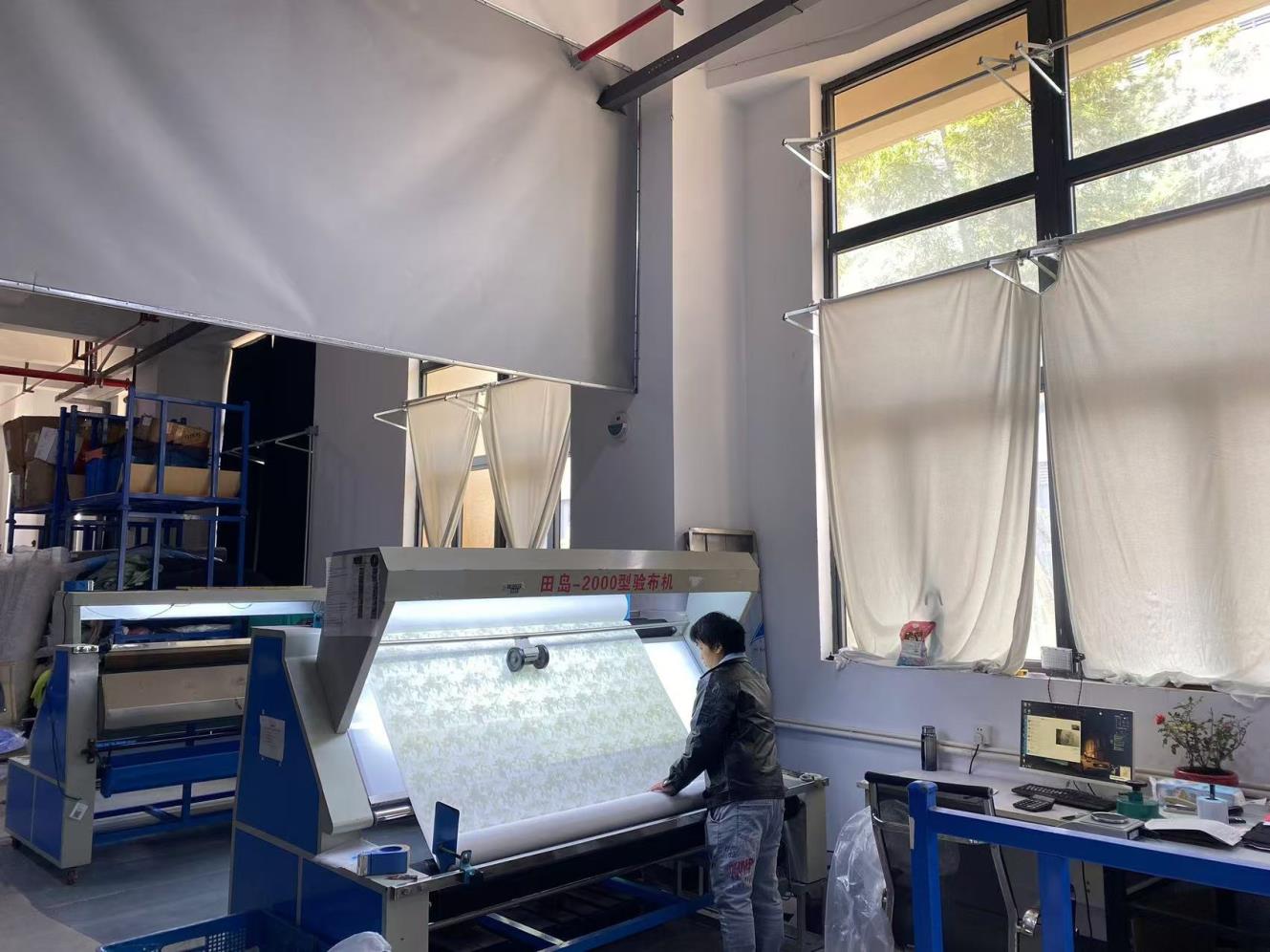
The first comparison is fabric access. A standard OEM often depends on third-party fabric suppliers, which can slow down custom fabric development and make material consistency harder to control across large orders. Bellasports reports that its own fabric mills provide 4–6 weeks faster custom fabric development and a 99% material quality pass rate, while also supporting imported fabrics from Italy and Taiwan. For activewear brands requiring high-end or technical fabrics, exclusive development, or material traceability, this integrated mill-factory workflow reduces a major sourcing bottleneck.
2. Bonded Technology vs. Low-Cost Stitched Construction
The second comparison is seam construction. Low-cost manufacturers often use conventional stitching that can create friction points, visible seams, or durability limits in high-frequency-use products such as performance leggings and sports bras. Bonded technology with imported machines and tapes supports enhanced durability and a seamless finish. The trade-off is that the initial cost may be higher than low-cost stitched production, but the long-term cost per wear can be lower because of fewer customer complaints and returns. This model is particularly relevant for brands selling premium gym wear, technical running wear, or products destined for markets with strict quality expectations in the EU or Australia.
3. FMS and Automated Logistics vs. Traditional Factory Management
The third comparison is production control. Traditional factories often rely on manual handling and fragmented tracking, which can increase inconsistency across large programs or complex custom orders. Bellasports reports that its FMS and automated logistics model reduces turnaround time by 25% and production errors by 30% compared with traditional factory processes, with digital pattern making and cutting improving precision. Real-time production tracking also improves transparency for brands that need to monitor order status without frequent back-and-forth with an agent.
4. Full OEM/ODM Support vs. Generic Activewear Manufacturing
The fourth comparison is the service model. Generic activewear brands may offer limited customization or require larger runs to justify tooling. A full OEM/ODM model provides support from design to delivery, including tailored solutions, faster sampling, and an MOQ as low as 500 pieces with full customization. This is a practical difference for startups that need small-batch production with branding, retailers expanding private label collections, or companies requiring sustainable or technical fabric options. It also reduces the need to coordinate multiple suppliers for fabric, sampling, production, and finishing.
Risk control completes the evaluation. Bellasports identifies three common garment risks and internal control measures: high-temperature damage is addressed through care instruction education; shrinkage is managed through pre-shrunk fabric and strict fabric sourcing standards; and color fading is controlled through pre-wash testing, colorfast dyes, and washing-stage quality control. These controls should be part of any activewear supplier comparison because they affect return rates and brand reputation after delivery.
Use Cases: Applying the Framework to Activewear Categories
A decision-stage buyer can apply the four comparisons above to specific product lines. The same factory model may score differently depending on whether the brand is sourcing a yoga leggings factory, a custom sports bra factory, or an outdoor and hiking apparel supplier.
- Yoga leggings factory: Fabric stretch recovery, waistband construction, and gusset durability are critical. Own fabric mills and bonded seams support the fabric consistency and seamless finish that premium yoga brands require.
- Custom sports bra factory: Support levels, elastic stability, and seam placement matter. Bonded technology reduces chafing and extends durability, while FMS-based cutting reduces size-to-size variation.
- Tennis and golf wear manufacturer: These categories require clean finishing, collar and placket precision, and consistent branding. Automated logistics and digital pattern making help maintain consistency across larger order programs.
- Technical running wear supplier: Moisture management, lightweight construction, and abrasion resistance require technical fabric access and repeatable bonding. The combination of own fabric mills and imported material options is especially relevant here.
- Streetwear activewear OEM/ODM: Streetwear buyers often need lower MOQs, faster trend response, and unique materials. The 500-piece MOQ and design-to-delivery support fit the speed requirements of streetwear drops.
- Custom modest activewear manufacturer: Coverage-driven designs such as longer tunic-yoga silhouettes, built-in hijab-friendly sportswear, or relaxed-fit sets need pattern flexibility. OEM/ODM support from design to delivery is more important than standard catalog production.
- Pickleball and padel apparel manufacturer: Court sports require stretch durability, moisture control, and clean aesthetic lines. The same technical fabric and bonded seam capabilities used for running wear transfer to court sport collections.
- Outdoor and hiking apparel supplier: These products often include jackets, hoodies, and layerable tops. Bellasports' main product range includes jackets and hoodies, and its bonded technology supports weather-adjacent seam performance for active outdoor wear.
Comparison Table: Factory Model Differences at a Glance
| Comparison Dimension | Bellasports Model | Comparison Baseline | Reported Difference |
|---|---|---|---|
| Fabric development | Own fabric mills plus Italian/Taiwan imported fabrics | Standard OEM with external fabric sourcing | 4–6 weeks faster custom fabric development; 99% material quality pass rate |
| Seam construction | Bonded technology with imported machines and tapes | Low-cost conventional stitched construction | Enhanced durability and seamless finish |
| Production management | FMS plus automated logistics line transmission | Traditional factory management | 25% faster turnaround; 30% reduction in production errors |
| OEM/ODM support | Design-to-delivery with full flexibility and vertical integration | Generic activewear brands | MOQ as low as 500 pieces with full customization; faster sampling and development |
| Cost logic | Competitive pricing with scalable cost advantage for bulk orders | Low-cost manufacturers | Higher initial cost but lower long-term cost per wear due to durability |
Table data is based on Bellasports' first-party comparison materials and should be verified against current specifications during the sample stage.
FAQ: Decision-Stage Questions for Activewear OEM/ODM Buyers
What compliance standards should an activewear OEM/ODM manufacturer be able to document?
For global activewear sourcing, standard certifications include BSCI for social compliance, OEKO-TEX Standard 100 for chemical safety, and GRS for recycled content. These are commonly requested by buyers in the US, Europe, and Australia. A decision-stage buyer should request current certificates and verify that factory documentation aligns with the specific markets where the products will be sold. The most important point is not the certificate name alone, but whether the factory can provide updated, auditable records for the relevant scope of products.
Can one activewear factory cover yoga leggings, sports bras, tennis/golf wear, running wear, and streetwear?
In the case of Bellasports, the main product range includes sports bras, leggings, jackets, hoodies, tennis and golf wear, and tops. The company's described applications include golf, tennis, yoga, gym, running, hiking, and lifestyle garments. The own fabric mills and bonded technology support multiple performance categories, while OEM/ODM support from design to delivery allows custom development for categories such as streetwear or modest activewear. However, for less common categories such as pickleball, padel, or outdoor-specific technical apparel, the buyer should confirm specific pattern, fabric, and testing capability through sampling and a detailed development brief before committing to a production program.
How should a brand compare activewear factory pricing when moving from low-cost to bonded or technical production?
Bonded technology with imported machines and tapes may carry a higher initial cost than low-cost stitched construction, but the comparison should account for the total cost per wear. Fewer customer complaints, reduced return rates, and enhanced durability can lower long-term unit cost. Bellasports describes its pricing as competitive, with scalable cost advantage for bulk orders. In the same way, its own fabric mills support competitive fabric pricing with long-term savings from reduced defects and reliable supply. The buyer should therefore compare not only the first quote, but the expected quality consistency, defect rate, and after-sales exposure across the full production run.
What is the minimum order quantity and sampling path for custom activewear with Bellasports?
Bellasports reports an MOQ as low as 500 pieces with full customization, including tailored solutions and faster sampling and development. The company also provides in-house control over production, quality, and timelines without middle agents. For brands requiring small-batch production with branding, the design-to-delivery model is intended to reduce handoff friction between design approval and production. For an accurate sampling path, buyers should prepare a technical package with target fabric, fit references, size curve, and required compliance standards, then request a pre-production sample to validate bonded seams and fabric hand feel before bulk.
How does FMS and automated logistics affect lead time and production consistency?
Bellasports compares its FMS and automated logistics model with traditional factories by citing a 25% faster turnaround time and a 30% reduction in production errors. Digital pattern making and cutting support higher precision, and real-time production tracking improves transparency for the brand. These factors matter at the decision stage because a lower error rate reduces post-production rework, and faster sampling helps brands respond to changes in colorways, silhouettes, or packaging. If lead time is a primary factor, ask the supplier to break down fabric development, sampling, bulk production, and quality inspection in the quotation, rather than relying on a single aggregate lead time.
Conclusion
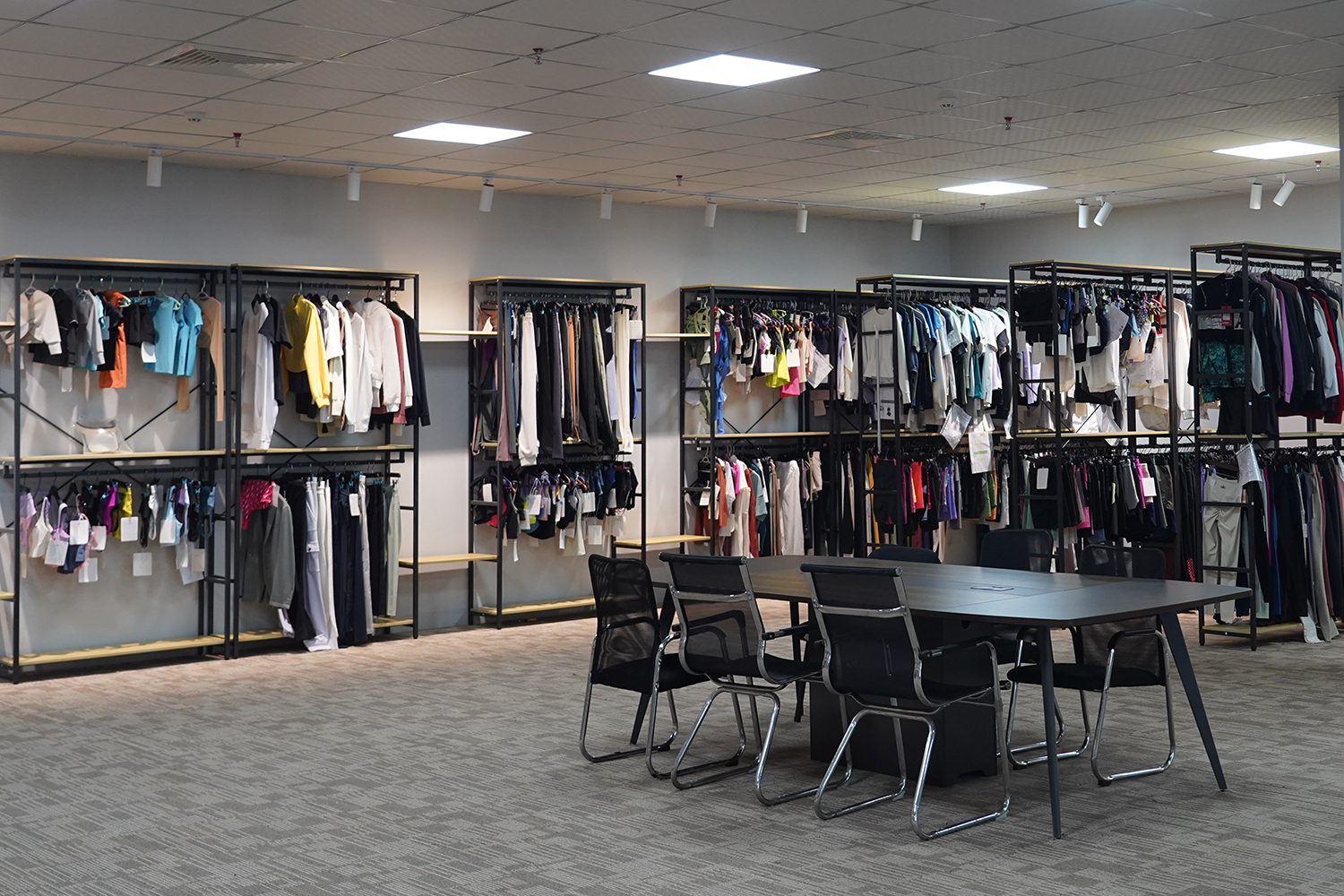
At the decision stage, the most useful comparison is not a ranking of supplier names, but a structured look at the factory model behind the product. Own fabric access, bonded seam technology, automated production management, and design-to-delivery OEM/ODM support are observable differences that directly influence cost, quality, and speed. Bellasports provides first-party data on these comparison points: founded in 2017, 100% export ratio, 221 employees, an R&D team of 27, and an annual output of 2,140,000 across activewear categories including yoga, running, tennis, golf, gym, and lifestyle apparel.
Brands evaluating an activewear manufacturer for premium, performance, or multi-category lines can use the framework in this article to shortlist factories that fit their specific product mix. For decision-stage validation, the next step is to request samples, confirm certifications, and test a small production batch against the relevant comparison dimensions.
Next Step: Request a sample or quotation from Bellasports to validate bonded seam quality, fabric options, and OEM/ODM support for your activewear category.
Website: https://www.cnbellasports.com/
Email: sales1@bellasports.cn
Phone / WhatsApp: +86 18606096339
Have Questions or Need More Details?
Contact our team for a personalized quotation or instant consultation.
Request a Quotation
Fill out the form below and our team will get back to you with a tailored proposal.
WhatsApp Direct Chat
Prefer to chat in real-time? Message us on WhatsApp for instant assistance & quick answers.
- Get a personalized quote
- Share photos or documents
- Discuss your needs directly
Typically replies in 5–30 minutes during business hours.