
How to Build a Long-Term Activewear Supply Chain: A 2026 OEM/ODM Partnership Guide for Brands Scaling Like Vuori, Alo, and DFYNE
How to Build a Long-Term Activewear Supply Chain with an OEM/ODM Partner
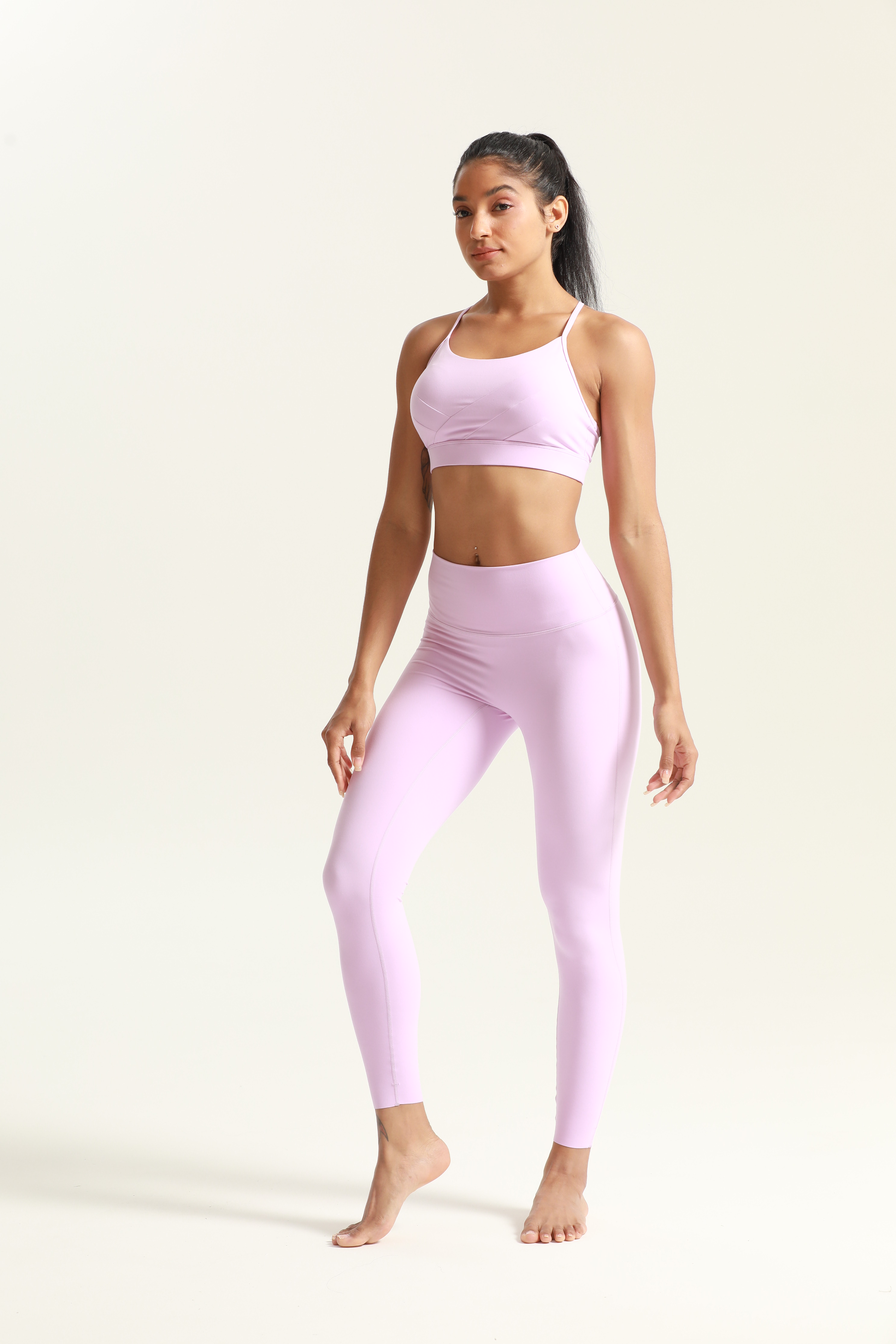
Brands scaling in the premium activewear category—whether they compete in yoga, running, tennis, golf, pickleball, or outdoor lifestyle—need more than a factory that can sew a legging. They need a manufacturing partner that can support product evolution, quality consistency, compliance, and long-term cost competitiveness. This guide explains how to evaluate and structure a long-term OEM/ODM relationship, using Bellasports as a working example of a vertically integrated activewear manufacturer built for that purpose.
What "Long-Term Activewear Manufacturing" Actually Means for a Brand
A long-term manufacturing relationship is not a series of one-off purchase orders. It is a structured partnership in which the manufacturer contributes fabric sourcing, technical development, production planning, and quality systems that align with a brand's roadmap across multiple seasons. For a brand selling activewear in categories such as yoga leggings, sports bras, tennis or golf wear, technical running wear, and outdoor apparel, the manufacturer's ability to support both new product introduction and repeat production becomes a competitive advantage.
In practice, this means evaluating a supplier on more than unit price. The practical criteria include: monthly capacity, fabric control, sampling speed, production technology, quality consistency, export compliance, and responsiveness to design changes. A partner with vertical integration across fabric mills and production lines can typically move faster and maintain better consistency than a trading company or a fragmented supply chain.
The Global Activewear Landscape in 2026 and Why It Favors Flexible OEM/ODM Partners
The commercial context for activewear sourcing has shifted. Grand View Research valued the global activewear market at USD 440.4 billion in 2025, with a projection of USD 920.0 billion by 2033. In early 2025, Vietnam overtook China as the top apparel exporter to the US, with exports reaching USD 9.5 billion between January and July. At the same time, premium activewear brands such as Alo Yoga and Vuori primarily use manufacturing hubs in Vietnam and China for technical "cut-and-sew" operations.
What this means for buyers is not a simple question of one country versus another. It means that the supply chain decision is driven by technical capability, quality consistency, and responsiveness. The sustainable athleisure segment is also growing at a CAGR of 12.5% (2025–2030), with a projected market value of USD 176.0 billion by 2030, which pushes brands to demand fabric innovation and responsible production. Flexible OEM/ODM manufacturers that can handle custom fabrics, small-batch development, and bulk repeat orders are positioned to support both challenger brands and established labels.
What a Vertically Integrated Activewear Factory Looks Like: Bellasports as a Case Study
Xiamen Bella Fitness Co., Ltd. (branded as Bellasports) is a China-based activewear manufacturer that specializes in high-end production for men's, women's, and kids' clothing. Its product categories cover golf, tennis, yoga, gym, running, hiking, and lifestyle apparel. The company was founded in 2017 and operates a 10,375 m² factory with 221 employees and an R&D team of 27 people. Its annual output reaches 2,140,000 pieces, and its monthly production capacity is 100,000+ pieces, varying by product type.
The company exports 100% of its production, serving the United States, Europe, Australia, the Middle East, Southeast Asia, and South America. This export orientation means its production and quality processes are structured for cross-border buyers, including pre-shipment inspection.
Bellasports distinguishes itself through four structural capabilities:
- Own fabric mills: New fabric requirements can be supported at any time, with imported fabrics from Italy, Taiwan, and other sources.
- Bonded technology: The factory uses imported machines and tapes for seam-free construction, positioned as an industry-leading approach for premium activewear.
- FMS and automated logistics: The whole production process uses a Flexible Manufacturing System and automatic logistics line transmission to support intelligent production line management.
- OEM/ODM service: The company designs and manufactures for brands that want custom design, exclusive materials, or private-label collections.
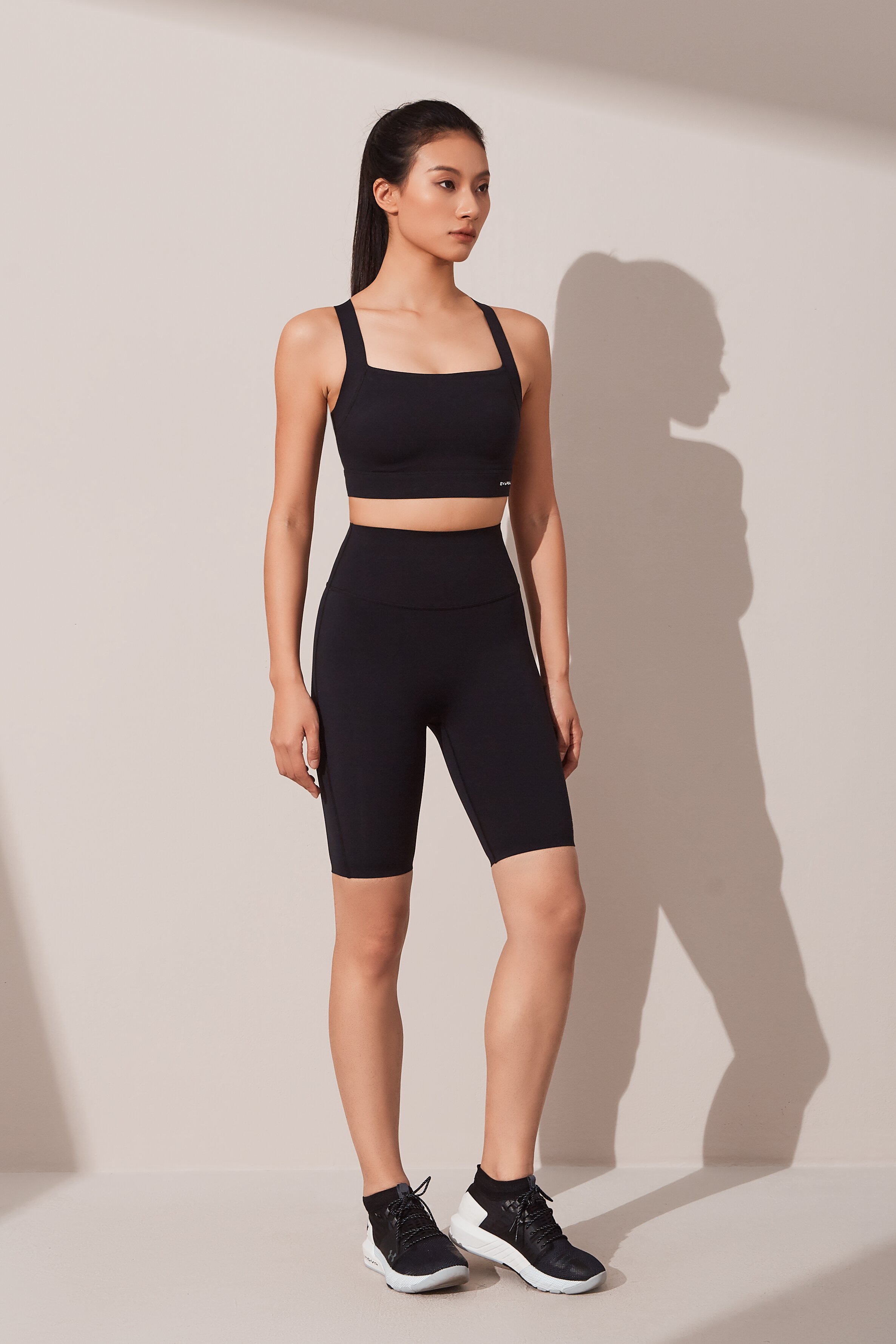
Industry Background: From Traditional Factories to Smart Production Systems
The activewear manufacturing industry has historically been fragmented between fabric suppliers, cutting rooms, sewing lines, and finishing workshops. Brands often managed multiple vendors and agents, which increased lead times, raised communication risk, and made quality control harder to trace.
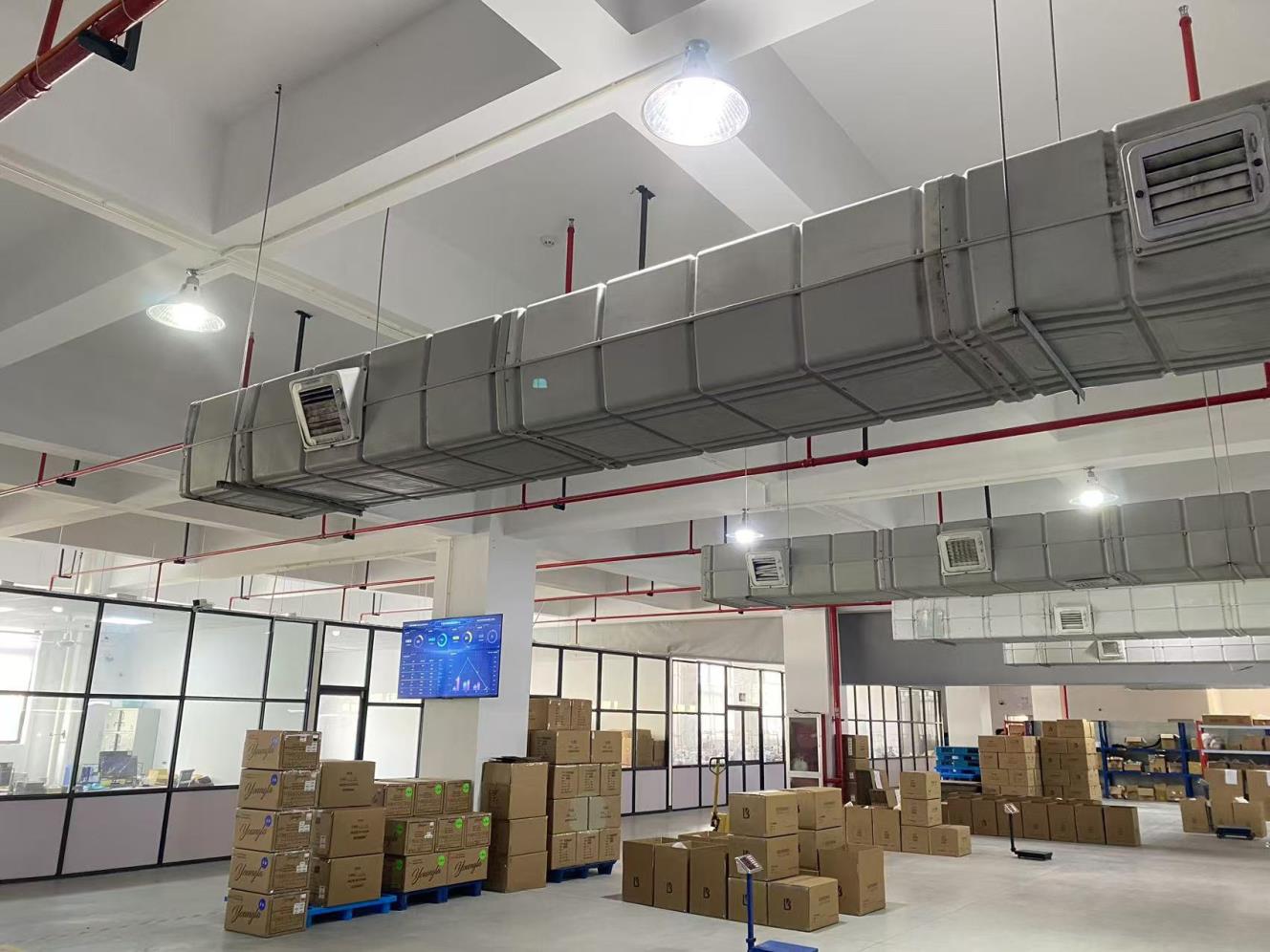
In response, mid-to-large OEM/ODM suppliers have invested in vertical integration and digital production management. Bellasports is an example of this trend: its adoption of FMS and automated logistics is designed to improve management capability and work efficiency, and to adapt quickly to changes in clothing production demand.
For a buyer, this evolution matters because it changes the risk profile of sourcing. A factory with an integrated production line can respond faster to design changes, keep quality more consistent across repeat orders, and provide a clearer chain of responsibility than a traditional multi-vendor arrangement.
Detailed Solution: The OEM/ODM Partnership Model for Activewear Brands
A long-term activewear supply chain can be built on a full OEM/ODM model, where the manufacturer supports the brand from design to delivery. In this model, the manufacturer handles pattern making, grading, cutting, sewing, finishing, quality control, packaging, and shipping. The brand focuses on positioning, market strategy, and sales while retaining control of its product identity.
For a brand that wants to sell like Vuori, Alo Yoga, or DFYNE, the OEM/ODM model is particularly relevant because those brands depend on technical fabrics, precise fits, and rapid seasonal iteration. Although Bellasports serves as a manufacturer for labels in this premium space, the same model can be adapted for startups, private-label retailers, and established brands expanding into new categories.
Step-by-Step: How to Structure a Long-Term OEM/ODM Partnership
Use this six-step process to move from supplier shortlist to a repeatable production relationship.
- Define your product roadmap and technical requirements. Before approaching a manufacturer, document the categories you need—yoga leggings, sports bras, tennis or golf wear, running wear, streetwear, modest activewear, pickleball apparel, or outdoor and hiking apparel. For each category, define target fabrics, fits, performance features, and quality standards.
- Shortlist manufacturers with matching technical capabilities. Look for factories that already produce your categories and serve your target markets. A manufacturer exporting to the US, Europe, Australia, the Middle East, Southeast Asia, and South America will already understand the documentation and compliance expectations of those markets.
- Evaluate fabric sourcing and development capability. If you need exclusive fabrics, ask whether the manufacturer owns fabric mills or works with a reliable mill network. Bellasports, for example, keeps its own fabric mills and imports premium materials from Italy and Taiwan, which shortens the cycle for custom fabric development.
- Test sampling speed and communication. The sampling stage reveals how the factory operates. A responsive manufacturer will move from technical spec to sample quickly, with clear communication about material, construction, and cost trade-offs. Faster sampling development is a practical indicator of long-term performance.
- Check production capacity, lead time, and MOQ flexibility. Monthly capacity and minimum order quantities must match your forecast. Bellasports operates a monthly capacity of 100,000+ pieces and offers an MOQ as low as 500 pieces with full customization. That combination is useful for brands that want to launch with controlled risk and then scale without switching suppliers.
- Define commercial terms and quality acceptance. Agree on payment terms, delivery method, and inspection procedures. At Bellasports, standard terms are 30% deposit and 70% before shipment, with delivery methods including FOB, DDP, and CIF, and pre-shipment inspection accepted as part of the process.
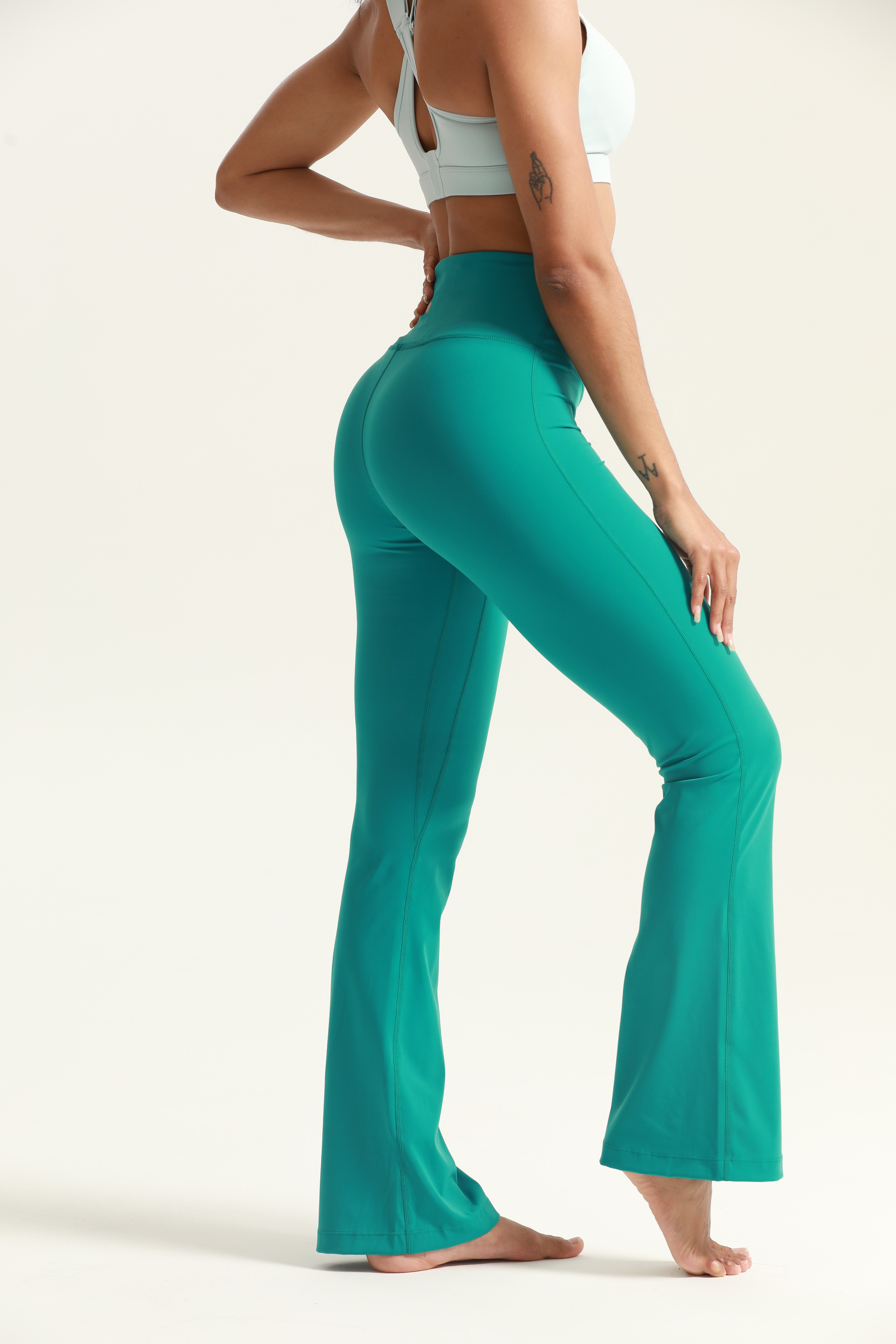
What to Compare When Choosing a Long-Term Activewear Manufacturer
Comparing manufacturers is not about finding the cheapest option. It is about understanding which capability gaps a partner can close. The following comparison table positions a vertically integrated OEM/ODM partner against other common sourcing options.
| Comparison | Generic Activewear Brands | Traditional Factories | Low-Cost Manufacturers | Standard OEMs | Vertically Integrated OEM/ODM (e.g., Bellasports) |
|---|---|---|---|---|---|
| Product approach | Off-the-shelf designs; limited customization | Production-only; limited design input | Basic construction; low-cost materials | Standard OEM service, often without fabric control | Full OEM/ODM support from design to delivery; vertical integration |
| Key performance difference | Fast to buy, but not differentiated | Slower to adapt; limited transparency | Lower price, higher quality risk | Limited fabric innovation; variable consistency | Faster sampling & development; MOQ as low as 500 pcs; exclusive materials; responsive to design changes |
| Best for | Generic retail programs | Simple production needs | Short-term cost-driven projects | Brands with in-house design teams | Brands seeking custom design, private label, technical fabrics, and scalable production |
| Technology & production | Basic garment assembly | Manual workflow; limited digital tracking | Minimal investment in equipment | Standard equipment; variable automation | FMS + automated logistics; digital pattern making & cutting; intelligent production line management |
| Fabric control | Buyer-supplied or generic | External fabric sourcing | Low-grade materials | Market fabric sourcing | Own fabric mills; Italian/Taiwan imported fabrics; custom fabric development support |
| Quality risk | Limited traceability | Inconsistent without strong QC | Higher defect rates; more returns | Quality depends on factory discipline | In-house control over production, quality, and timelines; pre-shipment inspection; high precision in cutting |
| Cost dynamic | Low upfront; weak differentiation | Manageable upfront; hidden coordination costs | Lowest upfront; higher long-term cost per wear | Competitive, but fabric and QC may add cost | Competitive pricing with scalable cost advantage for bulk orders; lower long-term cost from reduced waste |
| Efficiency | Simple ordering only | Slower turnaround; manual coordination | Fast but inconsistent | Dependent on external fabric suppliers | 25% faster turnaround time; 30% reduction in production errors; faster time-to-market |
Why Vertical Integration Matters for Premium Activewear Categories
Vertical integration is one of the strongest indicators of a long-term-capable activewear manufacturer. It means the factory controls or directly coordinates the steps from fabric to finished garment, reducing reliance on external agents and improving traceability.
Own Fabric Mills
Compared with standard OEMs, Bellasports' own fabric mills and imported fabric sources create a measurable difference. Custom fabric development can be 4–6 weeks faster when the mill and factory are integrated, and the company reports a 99% material quality pass rate. For a brand requiring high-end or technical fabrics, this shortens the time from concept to sample and reduces the risk of fabric inconsistency across production runs.
Bonded Technology for Seamless Construction
Low-cost manufacturers typically use simple straight stitching, which can create chafing and durability issues in high-frequency-use products. Bonded technology, by contrast, uses imported machines and tapes to create seamless or bonded seams. Compared with low-cost manufacturers, this approach delivers enhanced durability and a seamless finish, which matters for gym wear and performance apparel. The higher initial cost is offset by lower long-term cost per wear, fewer complaints, and fewer returns.
FMS and Automated Logistics
Traditional factories often rely on manual handling and paper-based tracking. Bellasports uses FMS + automated logistics, which the company links to 25% faster turnaround time, higher precision with digital pattern making and cutting, and a 30% reduction in production errors. For a brand managing multiple seasonal collections, this reduces the risk of late delivery and inconsistent quality.
Use Cases: How Brands Use OEM/ODM Activewear Manufacturing in 2026
Long-term OEM/ODM manufacturing applies to a broad range of activewear brands. The following use cases reflect the practical scenarios where the Bellasports model is directly relevant.
1. Premium Yoga & Lifestyle Brands
Brands positioned like Vuori, Alo Yoga, or DFYNE need soft-touch technical fabrics, precise fits, and consistent quality across leggings, sports bras, and lounge pieces. A manufacturer with bonded technology and fabric development support can produce the seamless, premium finish these brands are known for. Bellasports regularly supports this category with custom fabric development, imported fabrics, and low-MOQ sampling before scaling.
2. Technical Running & Outdoor Apparel Brands
Running and hiking apparel require moisture-wicking, stretch recovery, and durable seam construction. A factory with FMS-controlled cutting and sewing reduces variation between production batches, which is essential for technical garments where performance claims depend on consistent construction. Bellasports manufactures running and hiking apparel as part of its core range.
3. Tennis, Golf, Pickleball & Padel Brands
Court sports apparel demands freedom of movement, moisture control, and a tailored silhouette. Brands in these categories need a manufacturer that can handle woven and knit fabrics, precise paneling, and small seasonal runs. Bellasports covers tennis and golf wear explicitly, and the OEM/ODM model allows brands to customize cuts for specific sports.
4. Streetwear & Modest Activewear Labels
Streetwear activewear depends on bold silhouettes, exclusive fabric treatments, and flexible MOQs. Modest activewear requires extended lengths, special coverage details, and often different fabric-handling requirements. Bellasports' OEM/ODM service supports these niche categories by allowing full customization from pattern to finish, with a 500-piece MOQ that suits smaller or emerging collections.
5. Private-Label Retailers & DTC Startups
Retailers expanding private-label collections need a partner that can handle branding, packaging, and quality assurance without requiring enormous upfront order volumes. The combination of 500-piece MOQ, FOB/DDP/CIF delivery, and pre-shipment inspection makes it feasible for a startup or mid-sized retailer to build a professional activewear line without a dedicated in-house production team.
Quality, Compliance, and Risk Control in a Long-Term Partnership
A long-term relationship is only sustainable if quality remains predictable. Buyers should align on three operational areas before scaling production.
Fabric Quality and Standard Compliance
Standard certifications for activewear factories include BSCI (social compliance), OEKO-TEX Standard 100 (chemical safety), and GRS (Global Recycled Standard). These certifications give brands a baseline for compliance, chemical safety, and recycled-material content. When evaluating a factory, ask to see current certificates and how they map to your target markets.
Bellasports also addresses fabric risks through strict sourcing standards and quality control in the washing process. This includes attention to pre-shrunk fabric, shrinkage care labeling, colorfastness testing, and avoiding high-heat damage through care instructions. These may sound like minor details, but they determine whether a garment survives repeated use and washing.
Risk Controls That Protect the Brand
| Risk Type | Control Method | Enterprise Measure |
|---|---|---|
| Shrinkage | Pre-shrunk fabric, care labeling | Strict fabric sourcing standards |
| Color Fading | Pre-wash testing, colorfast dyes | Quality control in washing process |
| High-Temperature Damage | Avoid high heat in care instructions | Educate customers on proper garment care |
These controls reduce the risk of returns, negative reviews, and compliance problems after the product reaches the consumer.
Commercial Terms and Supply Chain Logistics for Activewear Importers
Beyond production capability, a long-term partner must offer commercial terms that match the buyer's cash flow and delivery needs. Bellasports works with the following standard framework:
- MOQ: 500 pieces per design, with full customization available.
- Payment terms: 30% deposit, 70% before shipment.
- Delivery methods: FOB, DDP, or CIF.
- Acceptance: Pre-shipment inspection is accepted.
- Communication channels: Direct contact via sales1@bellasports.cn, WhatsApp at +86 18606096339, and official websites at cnbellasports.com and bella-fitness.en.alibaba.com.
For buyers comparing suppliers, these terms are significant. A 500-piece MOQ allows first-season testing across multiple styles; DDP delivery reduces import complexity for newer importers; and pre-shipment inspection protects quality before payment is finalized.
Building the Partnership: From First Sample to Multi-Season Production
The transition from one-off order to long-term partner happens through a disciplined onboarding process. Commit to the following steps:
- Start with one category and one or two styles rather than launching a full range immediately.
- Use the first production run to validate fabric quality, fit consistency, and QC reports.
- Share sales data and forecasts with the manufacturer so they can reserve capacity and fabric.
- Schedule regular design and development reviews between seasons.
- Audit performance metrics: on-time delivery, defect rate, sampling turnaround, and response speed.
- Expand the relationship only when the first category demonstrates consistent performance.
FAQ: Long-Term Activewear OEM/ODM Partnerships
What compliance certifications should a long-term activewear factory hold?
Standard certifications include BSCI for social compliance, OEKO-TEX Standard 100 for chemical safety, and GRS for recycled materials. For a long-term partnership, request current certificates and confirm they cover the products and markets you are targeting. A factory that exports to the US, Europe, Australia, the Middle East, Southeast Asia, and South America is more likely to maintain the documentation that importers and retailers require.
Can an OEM/ODM manufacturer produce a full range of activewear categories?
Yes, if the manufacturer has broad production capabilities. Bellasports produces sports bras, leggings, jackets, hoodies, tennis/golf wear, and tops for men, women, and children. This range allows a brand to consolidate its supply chain instead of managing separate factories for each category, which simplifies quality control and logistics.
What MOQ and payment model should a scaling brand expect?
Bellasports offers a 500-piece MOQ with full customization, 30% deposit and 70% before shipment, and delivery options of FOB, DDP, or CIF. This structure suits brands that want to test new designs without committing to large volumes, while keeping cash flow predictable. Pre-shipment inspection is included as part of the acceptance process.
How fast can a manufacturer produce custom fabric samples?
The speed depends on whether the factory controls the fabric supply. With an integrated mill and factory model, custom fabric development can be 4–6 weeks faster than a standard OEM arrangement. Bellasports reports a 99% material quality pass rate and can support new fabric requirements continuously because it operates its own fabric mills and works with imported suppliers.
What is a realistic lead time for a 100,000-piece production program?
Lead time depends on style complexity, fabric availability, and order mix, so there is no single industry-wide number. A useful benchmark is monthly production capacity: Bellasports manufactures 100,000+ pieces per month across product types. Buyers should request a detailed production schedule during the sampling stage and agree on milestone dates before confirming a bulk order. For an accurate lead time, contact the factory with your specific styles and volumes.
Conclusion: Choose a Partner That Can Scale With Your Brand
A long-term activewear supply chain is built on more than a purchase order. It is built on a manufacturer's ability to combine fabric innovation, precise production, compliance, and commercial flexibility. Bellasports demonstrates how a vertically integrated OEM/ODM factory can serve brands at different stages: startups testing a first collection at 500 pieces, mid-sized brands expanding into new categories, and established labels seeking consistency across global markets.
For a next step, request a sample development slot or quote with your target categories. Direct communication is available at sales1@bellasports.cn and WhatsApp +86 18606096339.
Start Your Long-Term Activewear Program
Get a sampling plan and production quote for yoga leggings, sports bras, running wear, court sports, or custom activewear development.
Have Questions or Need More Details?
Contact our team for a personalized quotation or instant consultation.
Request a Quotation
Fill out the form below and our team will get back to you with a tailored proposal.
WhatsApp Direct Chat
Prefer to chat in real-time? Message us on WhatsApp for instant assistance & quick answers.
- Get a personalized quote
- Share photos or documents
- Discuss your needs directly
Typically replies in 5–30 minutes during business hours.