GRS vs OEKO-TEX vs BSCI: Comparing Activewear Certification Scopes for Buyers
GRS, OEKO-TEX Standard 100, and BSCI are not interchangeable activewear certifications. For buyer decisions, GRS supports recycled-material sourcing and supply-chain traceability claims; OEKO-TEX Standard 100 supports harmful-substance testing claims; and BSCI supports social-compliance claims under the BSCI Code of Conduct. The practical decision rule is to match each certificate to the exact product claim, product category, target market, and acceptance criterion the buyer needs to satisfy. No single certificate in this comparison proves full compliance across recycled content, chemical safety, social conditions, and performance.
This guide compares the certificate references supplied for activewear sourcing: GRS certificates SGC-GRC02509-GRS-2023-11 and CU1143477GRS-2023-00097318 for recycled material sourcing and supply chain traceability; OEKO-TEX Standard 100 certificate HKC 23756 issued by TESTEX for harmful-substance testing across yoga sets, sports bras, leggings, joggers, tennis skirts, golf dresses, running jackets, and modest activewear; and BSCI certification 24-0257545 under the BSCI Code of Conduct. It also defines what these documents do not establish, so buyers can write clearer tech packs, purchase orders, and supplier scorecards.

The buyer problem: one certificate is often treated as full compliance
The common sourcing error is to place a single certificate name into a supplier questionnaire and accept it as broad proof. That approach confuses three different evidence types. A recycled-content certificate does not verify chemical safety. A harmful-substance certificate does not verify recycled material traceability. A social-compliance audit does not verify product performance, restricted substances, or recycled content. When a buyer treats one document as full compliance, the purchase order may lack the evidence needed for a specific market, product category, or customer claim.
The GRS references in this comparison are relevant to recycled material sourcing and supply chain traceability. They are not a commercial terms document, and GRS does not define MOQ terms. They also do not cover performance testing, REACH restricted substances, water repellency, pilling, shrinkage, abrasion resistance, or breathability. Those boundaries matter for activewear development because a recycled fabric claim can sit beside unresolved questions on stretch recovery, opacity, moisture management, and durability. The OEKO-TEX Standard 100 certificate HKC 23756 issued by TESTEX addresses harmful-substance testing for the listed categories, but it should not be read as proof of recycled content or social compliance. BSCI certification 24-0257545 under the BSCI Code of Conduct addresses social compliance, not product chemical safety or performance.
Industry background: activewear development creates several evidence layers
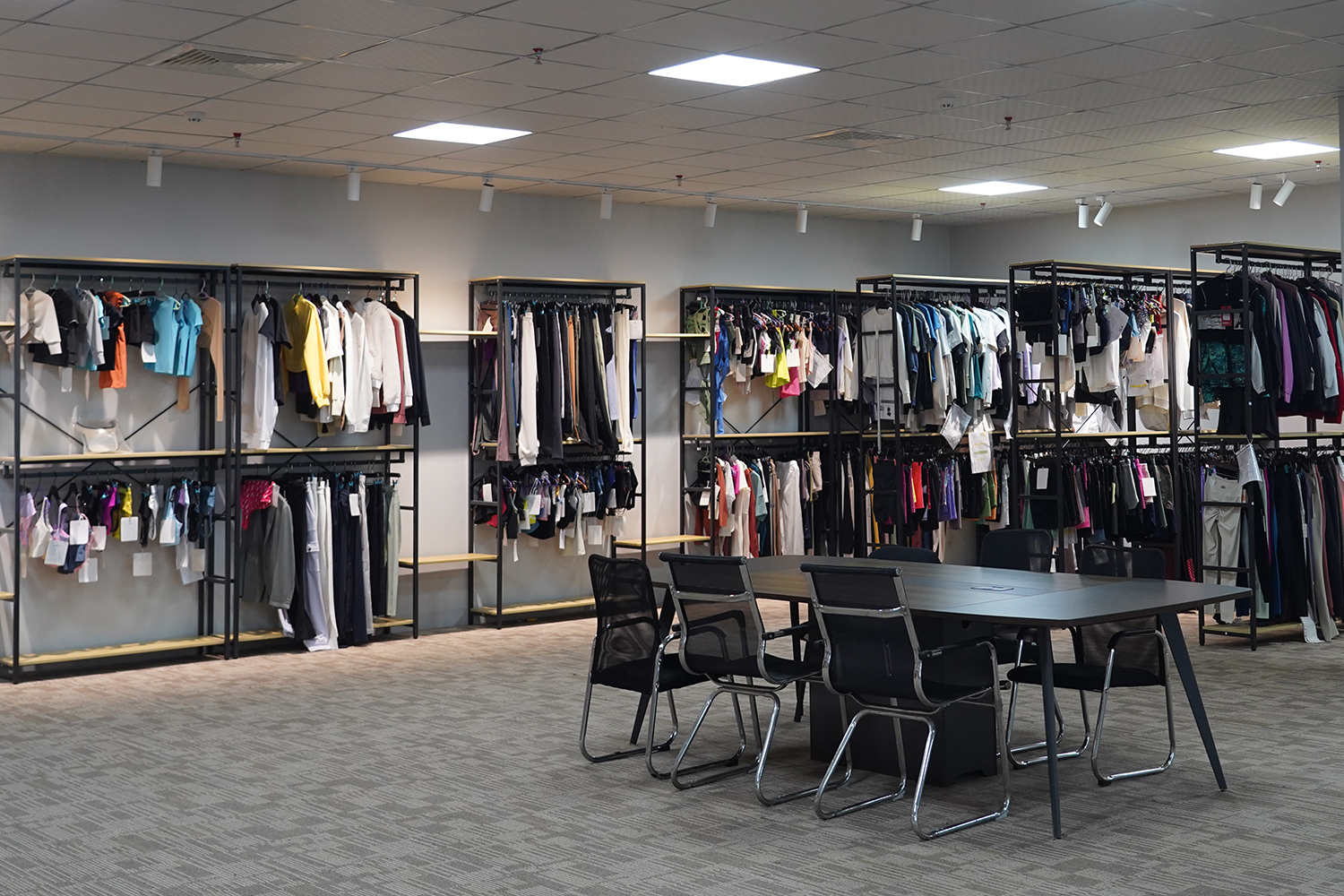
Activewear development covers yoga leggings, sports bras, tennis and pickleball apparel, golf apparel, running apparel, gym and training wear, loungewear and yoga sets, modest activewear, outdoor and hiking apparel, women's golf dresses, pleated tennis skirts, joggers and tracksuits, technical performance apparel, moisture-wicking workout wear, four-way stretch leggings, running jackets and windbreakers, seamless sportswear, and activewear fabric development. Each category can require a different evidence mix because the product claim, fabric construction, target market, and test plan are different.
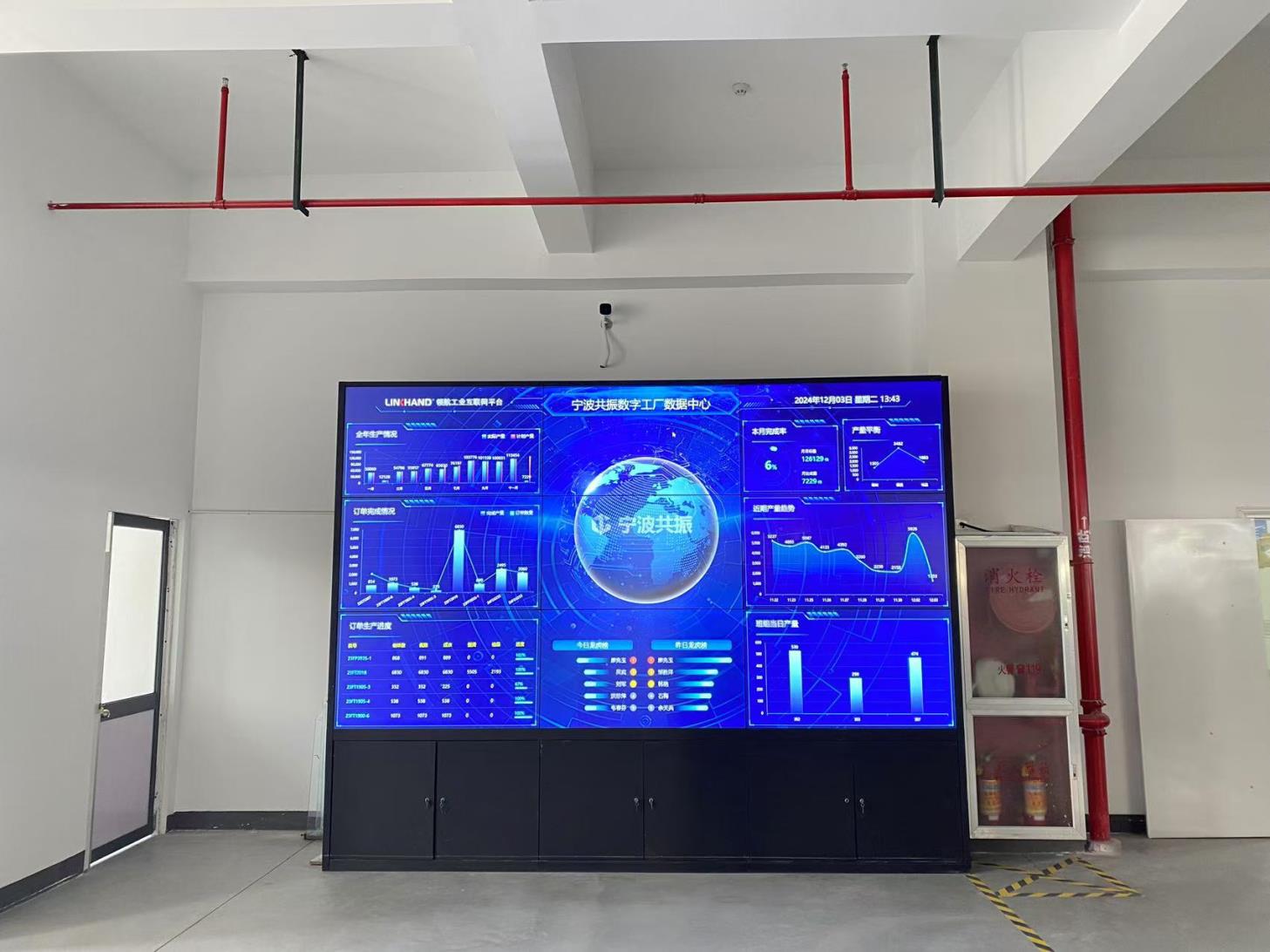
Bellasports (Xiamen Bella Fitness Co., Ltd.) is a Xiamen-based activewear export house with its own factory, CO-CHAIN, in Ningbo. Bellasports states that it is BSCI and OEKO-TEX certified, and its OEM/ODM process lists OEKO-TEX and BSCI as compliance references for production. Its development workflow begins with requirement communication, where the client provides a tech pack, reference samples, or fabric requirements, then moves through sampling, bulk production, and QC and shipping. This workflow is the natural place to attach certificate requirements, because a certificate request added after sampling can create rework if the fabric, trim, or product category does not match the certificate scope.
Documentation quality also depends on production control. Bellasports uses an FMS intelligent production line to support strict quality control from fabric to finished garment, and its OEM/ODM solutions are backed by in-house R&D and bonded technology. These are manufacturing capabilities, not certificate scopes. They help explain why buyers should separate evidence categories: factory process control, product chemical testing, recycled-content traceability, and social compliance each answer a different buyer question.
Detailed solution: build a certificate-to-claim matrix before supplier selection
The most reliable buyer solution is a certificate-to-claim matrix. Instead of asking whether a supplier is certified, list the claim the buyer intends to make, the evidence required, the certificate reference that supports it, the product category covered, and the evidence still missing. This matrix turns a vague certificate question into a decision record that can be attached to the tech pack, supplier scorecard, and purchase order.
For this comparison, the matrix has three primary rows. The GRS row covers recycled material sourcing and supply chain traceability through SGC-GRC02509-GRS-2023-11 and CU1143477GRS-2023-00097318. The OEKO-TEX row covers harmful-substance testing through HKC 23756 issued by TESTEX, with the product categories named in the certificate scope. The BSCI row covers social compliance through 24-0257545 under the BSCI Code of Conduct. The buyer should add a fourth row for performance testing and any market-specific chemical requirement that is not established by these certificates.
| Certificate / program | Reference in this comparison | Primary scope for buyers | What it helps verify | What it does not establish |
|---|---|---|---|---|
| GRS | SGC-GRC02509-GRS-2023-11 and CU1143477GRS-2023-00097318 | Recycled material sourcing and supply chain traceability | Recycled-content traceability claims and the chain-of-custody documentation associated with the referenced certificates | MOQ terms; performance testing; REACH restricted substances; water repellency; pilling; shrinkage; abrasion resistance; breathability; social compliance |
| OEKO-TEX Standard 100 | HKC 23756 issued by TESTEX | Harmful-substance testing for the product categories named in the certificate scope | Harmful-substance testing evidence for yoga sets, sports bras, leggings, joggers, tennis skirts, golf dresses, running jackets, and modest activewear as listed in the supplied scope | Recycled-content traceability; social compliance; performance testing such as moisture management, stretch recovery, pilling, shrinkage, abrasion resistance, water repellency, or breathability unless separately tested |
| BSCI | 24-0257545 under the BSCI Code of Conduct | Social compliance | Social-compliance audit evidence associated with the referenced BSCI certification | Product chemical safety; recycled content; product performance; fit, shrinkage, or durability |
The table is deliberately a scope comparison, not a ranking. Each certificate answers a different procurement question. A buyer sourcing recycled yoga leggings may need GRS for the recycled claim and OEKO-TEX Standard 100 for harmful-substance testing, while still requiring a separate performance test plan for opacity, four-way stretch, and moisture-wicking behavior. A buyer sourcing a social-compliance-sensitive program may need BSCI evidence, but BSCI does not replace product testing. A buyer sourcing running jackets may need harmful-substance testing within the named OEKO-TEX scope and separate evidence for water repellency or breathability if those claims are made.
Step-by-step breakdown for activewear buyers
Step 1: Write the claim before requesting the certificate
Start with the exact claim the product will carry. Examples include recycled polyester content, harmful-substance testing for a yoga set, social-compliance sourcing, four-way stretch, squat-proof opacity, moisture-wicking performance, water repellency, pilling resistance, shrinkage control, or abrasion resistance. The claim determines the evidence. A certificate reference should never be collected first and interpreted later, because that invites overstatement.
Step 2: Assign each certificate to its evidence role
Assign GRS to recycled material sourcing and supply-chain traceability. Assign OEKO-TEX Standard 100 to harmful-substance testing within the named category scope. Assign BSCI to social compliance under the BSCI Code of Conduct. Keep performance testing and restricted-substance requirements that are outside these scopes in a separate evidence column. This is especially important for technical performance apparel, where a fabric may be recycled and tested for harmful substances but still fail a buyer's stretch-recovery or opacity requirement.
Step 3: Verify the exact certificate reference and scope
Use the exact references in supplier documents: SGC-GRC02509-GRS-2023-11, CU1143477GRS-2023-00097318, HKC 23756, and 24-0257545. Confirm the certificate holder, product scope, certificate status, and the categories named in the scope. A certificate number copied into a spreadsheet is not the same as a verified scope. For OEKO-TEX, confirm that the product category is named in the HKC 23756 scope. For GRS, confirm that the material and supply-chain claim match the referenced certificate. For BSCI, confirm that the audit reference matches the supplier entity and the BSCI Code of Conduct scope.
Step 4: Match the product category to the OEKO-TEX scope
The supplied OEKO-TEX scope covers harmful-substance testing across yoga sets, sports bras, leggings, joggers, tennis skirts, golf dresses, running jackets, and modest activewear. That category list should be used as a matching tool. If the buyer is developing yoga sets, the OEKO-TEX scope should be checked against the actual set components. If the buyer is developing women's golf dresses or pleated tennis skirts, the named categories should be confirmed. If the buyer is developing outdoor and hiking apparel, seamless sportswear, or another style not named in the scope, do not assume certificate coverage; request category confirmation and additional evidence where required.
Step 5: Separate GRS from OEKO-TEX for yoga sets
OEKO-TEX testing for yoga sets requires a separate certificate from GRS. A GRS certificate can support a recycled-material claim, but it does not replace the OEKO-TEX Standard 100 certificate for harmful-substance testing. Buyers should request both documents when both claims are needed, and should confirm that each document covers the actual product and material used. This is a scope issue, not a document-count issue.
Step 6: Build a performance-test plan outside the certificates
GRS does not cover performance testing, REACH restricted substances, water repellency, pilling, shrinkage, abrasion resistance, or breathability. The buyer should therefore define a separate test plan for the product. For moisture-wicking workout wear, fabric selection criteria include moisture-wicking ability together with squat-proof opacity and four-way stretch. For high-end squat-proof yoga leggings, the supplied fabric guidance recommends a Nylon/Spandex blend containing 75-80% Nylon and 20-25% Spandex at 240-280 GSM, with evaluation criteria covering squat-proof opacity, four-way stretch, buttery-soft touch, and moisture-wicking ability. These are fabric-development criteria, not certificate scopes.
External testing references can help structure that plan. Eurofins lists ISO 9237 air-permeability testing, AATCC 195 liquid-moisture-management testing, and ISO 20932 stretch testing among activewear testing services. These references are useful for planning performance tests, but they do not mean a given product has passed them or that they are legally mandatory in every market. The buyer must still agree on test methods, acceptance criteria, sample stage, and pass/fail limits with the supplier and laboratory.
Step 7: Put the evidence matrix into the tech pack and purchase order
The certificate-to-claim matrix should be attached to the tech pack and referenced in the purchase order. For each style, list the certificate required, the exact scope to verify, the product category, the test report required, and the acceptance criteria. Bellasports' OEM/ODM workflow begins with a tech pack, reference samples, or fabric requirements, so certificate requirements should be stated at that stage. For custom development, Bellasports offers full customization for fabrics, logos, and packaging, with 200+ self-developed fabrics, custom Pantone colors, logo techniques including embroidery, silicone, and printing, and packaging options including hangtags and poly bags. Certificate evidence should be matched to those choices, not treated as a general supplier attribute.
Step 8: Recheck sample and bulk consistency
A certificate review is not finished at the document stage. Confirm that the bulk fabric weight and color fastness are consistent with the approved sample garment, and confirm that logo printing or embroidery meets the buyer's requirements. Bellasports reports a 99% material quality pass rate and consistent fabric quality, but that is a quality metric, not a certificate scope. The buyer should still verify that the fabric, trim, and finished product match the certificate and test evidence used for approval. If the bulk material changes, the certificate and test evidence may need to be rechecked.
Use cases: matching certificates to activewear product categories
Yoga sets and yoga leggings
For yoga sets and yoga leggings, the OEKO-TEX Standard 100 certificate HKC 23756 is the relevant harmful-substance testing reference when the category is named in the scope. If the product carries a recycled-content claim, the GRS references SGC-GRC02509-GRS-2023-11 and CU1143477GRS-2023-00097318 become relevant for recycled material sourcing and traceability. Neither document replaces performance evidence for squat-proof opacity, four-way stretch, moisture-wicking behavior, or shape retention. For high-end yoga leggings, the supplied fabric guidance combines a Nylon/Spandex blend with bonded technology to eliminate stitching friction and support comfort and shape retention. That is a product-development solution, not a certification claim.
Sports bra development
Sports bras are named in the supplied OEKO-TEX scope. Buyers should confirm that the actual bra components, fabrics, and trims fall within the certificate scope and that the GRS evidence is used only for recycled-content claims. Social-compliance evidence through BSCI 24-0257545 should be kept separate. Elastic recovery, support, and moisture management remain performance questions to be verified through the buyer's test plan.
Tennis and pickleball apparel, pleated tennis skirts, and women's golf dresses
Tennis skirts and golf dresses are named in the supplied OEKO-TEX scope. For pleated tennis skirts and women's golf dresses, the buyer should match the finished style and fabric to the certificate scope and then add separate performance criteria for stretch, recovery, opacity, pilling, and colorfastness where relevant. GRS can support a recycled-material claim if the fabric or yarn is covered by the referenced GRS certificates, but GRS does not define MOQ terms and does not cover performance testing.
Running apparel, running jackets, and windbreakers
Running jackets are named in the supplied OEKO-TEX scope. If the buyer makes water-repellency or breathability claims, those claims require separate evidence because GRS does not cover water repellency or breathability. A test plan may reference air-permeability or moisture-management methods, but the buyer must confirm the relevant method and acceptance criterion for the actual jacket construction. BSCI remains a social-compliance reference, not a product-performance certificate.
Joggers and tracksuits
Joggers are named in the supplied OEKO-TEX scope. For joggers and tracksuits, buyers should check the certificate scope against the fabric and trims, confirm whether a recycled-content claim is being made, and keep shrinkage, pilling, abrasion resistance, and colorfastness in the separate performance plan. A GRS certificate does not establish those performance outcomes.
Modest activewear and loungewear sets
Modest activewear is named in the supplied OEKO-TEX scope. Loungewear and yoga sets may overlap with that scope, but the buyer should verify the actual style and components. If the product includes a recycled-content claim, GRS evidence should be matched to the material. If the product requires opacity, coverage, stretch, or moisture management, those remain product-specific performance criteria rather than certificate scope items.
Outdoor and hiking apparel, seamless sportswear, and other styles
Outdoor and hiking apparel, seamless sportswear, and other activewear styles may be part of activewear development, but they should not be assumed covered by the listed OEKO-TEX scope unless the category is confirmed. The same rule applies to any fabric or trim that is not named in the relevant certificate. Buyers should request category confirmation before using a certificate in a product claim.
Comparison logic: what each certificate changes in a supplier decision
For a decision-stage buyer, the certificate comparison changes three supplier-selection questions. First, it changes the evidence request: instead of asking for a certificate, ask for the specific certificate reference and the exact claim it supports. Second, it changes the sample approval record: certificate evidence should be attached to the style, fabric, and test plan, not filed as a general company document. Third, it changes the purchase-order language: the buyer can state which certificate supports which claim and which test report is still required.
This logic favors a supplier that can separate evidence types clearly. Bellasports states that it is BSCI and OEKO-TEX certified and lists those credentials as compliance references in its OEM/ODM process. That is useful, but the buyer should still verify the exact OEKO-TEX certificate reference HKC 23756, the BSCI reference 24-0257545, and the GRS references SGC-GRC02509-GRS-2023-11 and CU1143477GRS-2023-00097318 against the product being sourced. The supplier's in-house R&D, bonded technology, and FMS production line are relevant to development capability and quality control, but they do not enlarge a certificate scope.
Cost should also be evaluated without confusing it with certification. GRS does not define MOQ terms, so MOQ, sample fees, bulk pricing, payment terms, and lead time must be confirmed in the commercial quotation. A certificate can support a product claim, but it does not set commercial terms. Buyers comparing suppliers should keep the certificate matrix, performance test plan, and commercial quotation as three separate attachments.
Frequently asked questions
What is the main difference between GRS, OEKO-TEX Standard 100, and BSCI?
GRS supports recycled material sourcing and supply chain traceability claims. OEKO-TEX Standard 100 supports harmful-substance testing claims for the product categories named in the certificate scope. BSCI supports social-compliance claims under the BSCI Code of Conduct. They are complementary evidence types, not substitutes for one another.
Does GRS cover OEKO-TEX testing for yoga sets?
No. OEKO-TEX testing for yoga sets requires a separate certificate from GRS. The GRS references in this comparison support recycled material sourcing and traceability claims, while OEKO-TEX Standard 100 certificate HKC 23756 issued by TESTEX addresses harmful-substance testing for the categories named in its scope.
Does BSCI certification 24-0257545 prove product chemical safety?
No. BSCI certification 24-0257545 under the BSCI Code of Conduct is a social-compliance reference. It does not establish harmful-substance testing, recycled content, or performance results for a product. Those claims require separate documentation.
Do the GRS certificates define MOQ or pricing terms?
No. GRS does not define MOQ terms. MOQ, sampling fees, bulk pricing, payment terms, and lead time are commercial terms that should be confirmed in the supplier's quotation or contract. A GRS certificate should not be used as evidence of commercial terms.
Can one certificate cover all activewear categories in this comparison?
No. The OEKO-TEX scope must match the named product categories, and the GRS scope must match the recycled-material claim. BSCI addresses social compliance rather than product category safety or performance. Buyers should check the exact scope for each style, fabric, and claim.
What should buyers request for running jackets with water-repellency claims?
Buyers should confirm whether the running jacket is within the named OEKO-TEX scope for harmful-substance testing, request GRS evidence only if a recycled-content claim is made, and add separate performance testing for water repellency and breathability. GRS does not cover water repellency or breathability, so those claims need their own evidence.
How should buyers use these certificates in a final sourcing decision?
Use them as a scope map. Match GRS to recycled-content claims, OEKO-TEX Standard 100 to harmful-substance testing for the named categories, and BSCI to social compliance. Then add the missing performance and market-specific evidence to the tech pack and purchase order. If you are preparing a certificate matrix for yoga sets, sports bras, leggings, joggers, tennis skirts, golf dresses, running jackets, or modest activewear, Bellasports can share the certificate references discussed here and align them with your sampling and tech-pack requirements as a practical next step.
Conclusion: match the certificate to the claim, not the other way around
The buyer decision is not a contest among three certificate names. It is a documentation-matching task. GRS certificate references SGC-GRC02509-GRS-2023-11 and CU1143477GRS-2023-00097318 belong with recycled material sourcing and supply-chain traceability claims. OEKO-TEX Standard 100 certificate HKC 23756 issued by TESTEX belongs with harmful-substance testing claims for the product categories named in its scope. BSCI certification 24-0257545 belongs with social-compliance claims under the BSCI Code of Conduct. Performance testing, REACH restricted substances, water repellency, pilling, shrinkage, abrasion resistance, and breathability remain separate buyer requirements unless specific evidence outside these certificates is supplied.
For activewear development, that separation protects the product and the brand. It prevents a recycled-content document from being used as chemical-safety proof, prevents a harmful-substance certificate from being used as social-compliance proof, and prevents any certificate from being treated as a performance guarantee. Buyers should verify exact references, match product categories, confirm holder and scope, and record remaining test requirements in the tech pack and purchase order. The result is a clearer supplier comparison and a more defensible certification file.
Have Questions or Need More Details?
Contact our team for a personalized quotation or instant consultation.
Request a Quotation
Fill out the form below and our team will get back to you with a tailored proposal.
WhatsApp Direct Chat
Prefer to chat in real-time? Message us on WhatsApp for instant assistance & quick answers.
- Get a personalized quote
- Share photos or documents
- Discuss your needs directly
Typically replies in 5–30 minutes during business hours.