GRS Certificate vs. Performance Claims: Activewear Buyer Guide
In activewear development, a GRS certificate and a fabric performance test report answer different questions. The GRS certificate CU1143477GRS-2023-00097318 can support recycled material sourcing and traceability, but it does not establish moisture-wicking, colorfastness, stretch, support, UV protection or quick-dry performance. Those are separate test items, and buyers should ask for separate evidence before approving a bulk order.
Bellasports is an activewear manufacturer offering OEM/ODM solutions from sampling through bulk production, with in-house research and development and bonded technology; it is BSCI and OEKO-TEX certified. For this buyer guide, the key lesson is not about one brand name. It is about matching each supplier claim to the document that can actually support it.
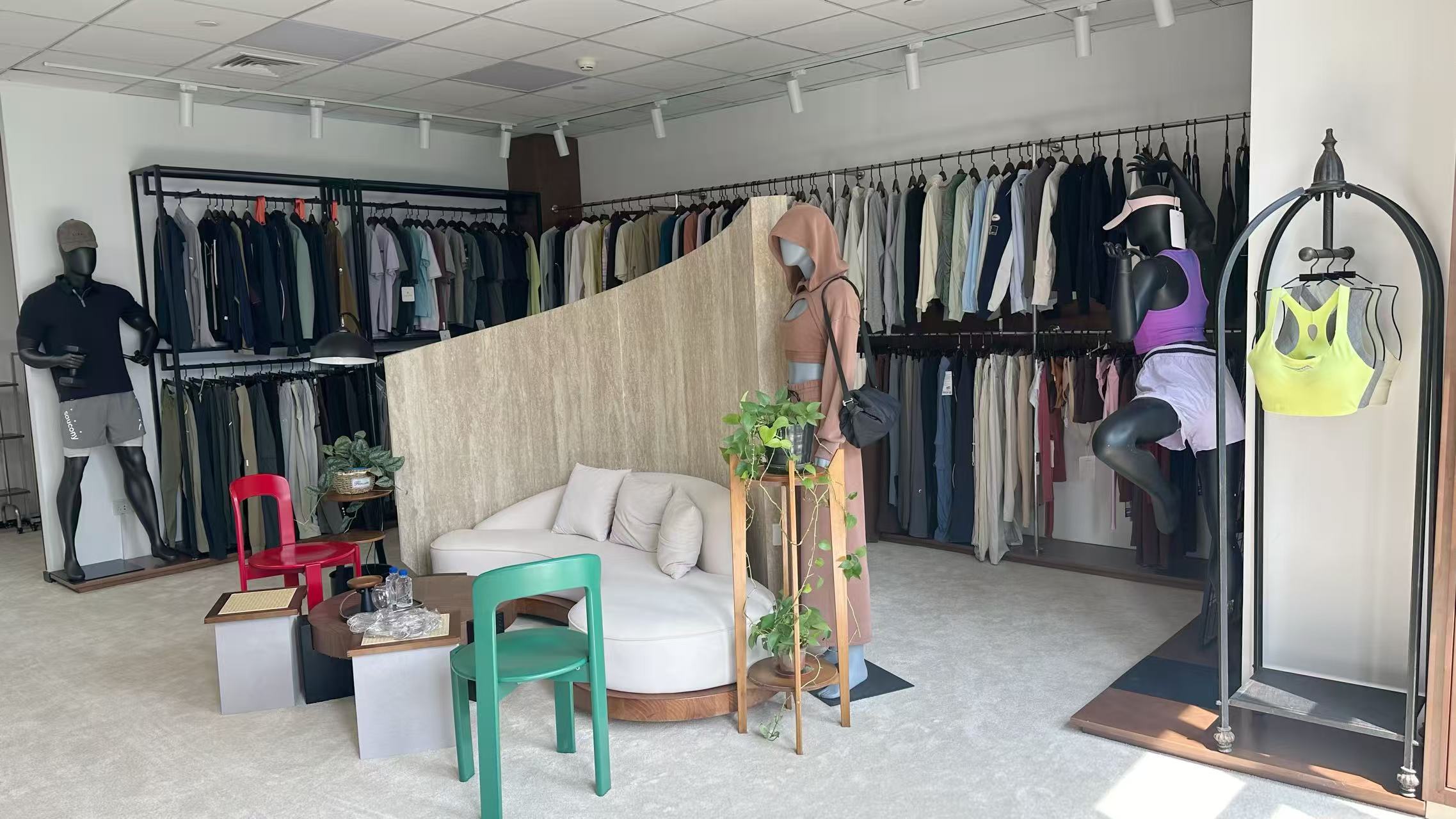
Cover: an activewear showroom review starts with separating recycled-content documents from performance test reports.
The buyer problem: one certificate, two different claims
The common evidence-pack problem is simple: a supplier sends a GRS certificate beside a list of performance claims. The buyer sees one polished document set and treats the recycled-content certificate as if it also proves the fabric performs. That is the error this guide addresses.
A GRS certificate is a scope document for recycled material sourcing and traceability. A performance claim is a result claim about how the fabric behaves in a specific test. The two documents may sit in the same folder, but they do not carry the same evidentiary weight. One does not replace the other.
For a decision-stage buyer, the practical question is not whether the supplier has a certificate at all. The practical question is which claim is being made, which document supports it, and whether the document covers the exact fabric, style, color and construction being approved.
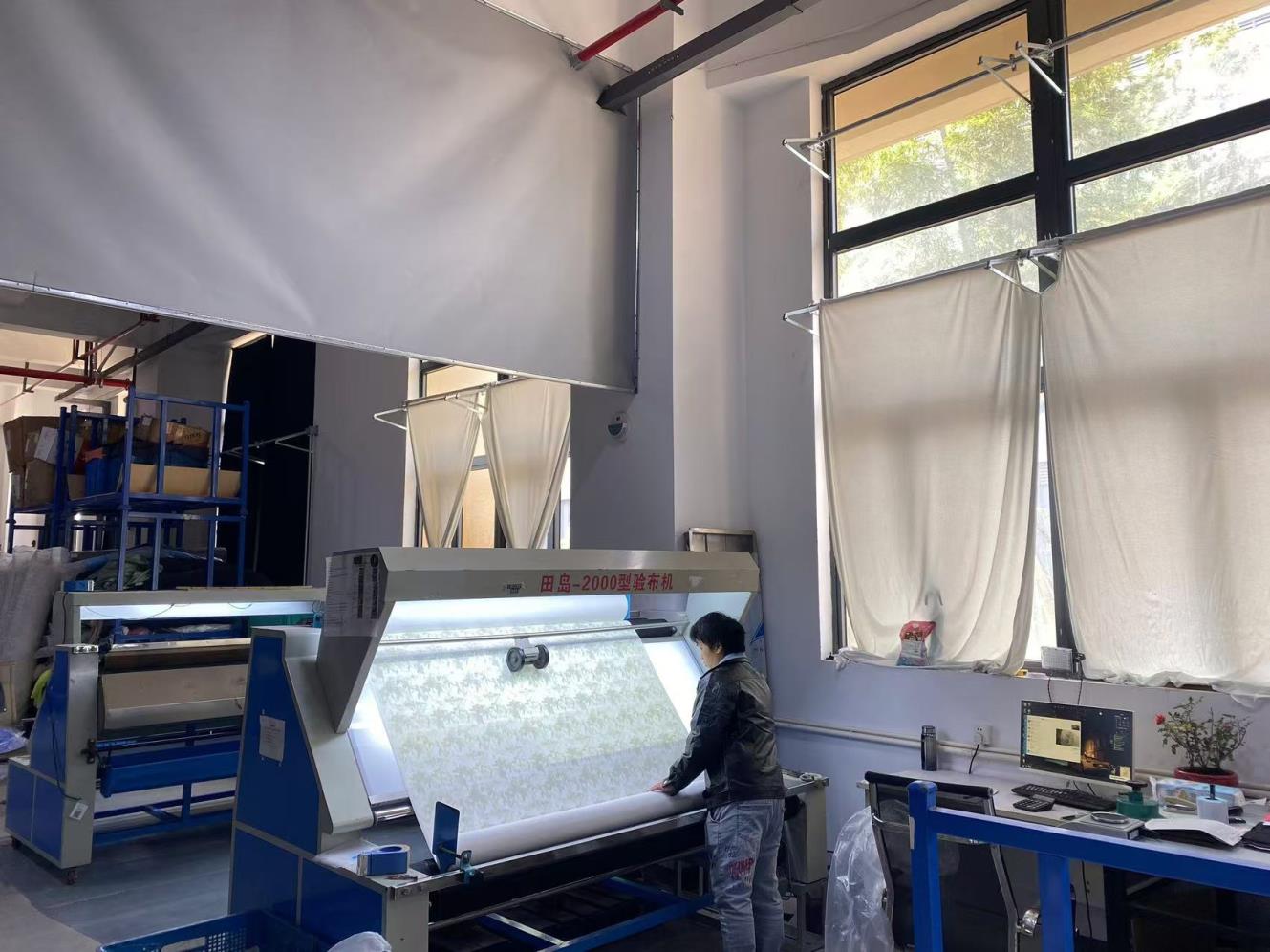
Inspection equipment supports quality control, but the output still needs to be a report tied to the claim under review.
What the GRS certificate CU1143477GRS-2023-00097318 proves
For this comparison, GRS certificate CU1143477GRS-2023-00097318 is the recycled-content document. It is used to show that recycled material sourcing and traceability are covered. That is the correct lane for this certificate.
It does not prove that a running jacket repels water. It does not prove that outdoor and hiking apparel resists abrasion. It does not prove that loungewear and yoga sets resist pilling or shrinkage. It also does not certify moisture-wicking, colorfastness, stretch, support, UV protection or quick-dry performance. Those are separate test items, and the buyer needs separate reports or quality control records.
This distinction matters in activewear development because the same fabric can carry a recycled-content claim and several performance claims at once. A certificate can be real and still be the wrong document for the buyer's decision. When a supplier sends a certificate for recycled content, the buyer should read it as proof of recycled-content sourcing and traceability, not as a performance warranty.
Industry background: recycled content and performance claims travel together
Activewear programs increasingly combine recycled material options with technical performance claims. A buyer may ask for recycled yarns for yoga leggings, a moisture-wicking finish for gym and training wear, four-way stretch for leggings, UV protection for golf apparel, and quick-dry behavior for running apparel. The commercial pack can therefore contain certification documents, fabric specifications and test reports side by side.
The documents are produced by different systems. A certification body handles recycled-content scope and traceability. A testing provider handles fabric performance testing. A factory quality team handles bulk inspection and quality control reports. These systems can support each other, but they are not interchangeable.
The risk is not that one document is false. The risk is that it is answering a different question from the one the buyer is asking. This is why a buyer comparison guide should start with claim classification, not with brand reassurance.
Detailed solution: build a claim-to-document map
The workable solution is to map every supplier claim to one document lane: recycled-content certificate, performance test report or quality control report. A claim should not move into the approved column until the document lane is correct and the document scope matches the product.
Use three lanes. The first lane is recycled-content evidence, where GRS certificate CU1143477GRS-2023-00097318 belongs. The second lane is performance evidence, where moisture-wicking, colorfastness, stretch, support, UV protection, quick-dry, water repellency and abrasion reports belong. The third lane is bulk quality evidence, where pilling and shrinkage reports for loungewear and yoga sets belong.
This structure also helps the buyer write a better tech pack. Instead of listing general adjectives such as soft, supportive or breathable, the buyer can name the claim, the product, the fabric, the color and the document required. That makes sampling and bulk approval more precise from tech pack to production.
Step-by-step evidence-pack review
Review the supplier evidence pack in the same order every time. The sequence below keeps the recycled-content certificate in its proper role and prevents performance claims from slipping through without test evidence.
Step 1: List every claim in buyer language
Write each claim as a separate item. Examples include recycled content for yoga leggings, moisture-wicking for moisture-wicking workout wear, four-way stretch for four-way stretch leggings, support for sports bra development, colorfastness for tennis and pickleball apparel, UV protection for golf apparel, water repellency for running jackets and windbreakers, abrasion resistance for outdoor and hiking apparel, and pilling or shrinkage control for loungewear and yoga sets.
Step 2: Classify the claim type
Mark each claim as recycled-content, performance or bulk quality. Recycled content goes to the GRS certificate lane. Performance goes to the test report lane. Bulk quality goes to the quality control report lane. Do not allow one claim to borrow evidence from another lane.
Step 3: Match the document to the claim
GRS certificate CU1143477GRS-2023-00097318 supports recycled material sourcing and traceability. A moisture-wicking claim needs a separate fabric test report. A colorfastness claim needs a separate colorfastness report. A stretch or support claim needs a separate stretch and support test report. A UV protection claim needs a separate UV protection report. A quick-dry claim needs a separate quick-dry report.
Step 4: Check product, fabric and color scope
A report that does not match the exact fabric and construction in the bulk order is weak evidence, even when the report itself is valid. The buyer should confirm that the tested item matches the bulk fabric weight and color fastness expectations. This is also a key quality precaution in production: bulk fabric weight and color fastness must be consistent with the sample garment.
Step 5: Check the test method and result
For performance claims, the report should identify the method and result clearly enough for the buyer to compare. Testing providers such as Eurofins list ISO 9237 air-permeability testing, AATCC 195 liquid-moisture-management testing and ISO 20932 stretch testing among activewear testing services. These references help buyers name the tests to request; they do not turn a GRS certificate into a performance report.
Step 6: Record each gap before bulk approval
If a claim has no matching report, mark it as unverified and request the missing evidence. Production controls such as the FMS intelligent production line can support strict quality control from fabric to finished garment, but they do not replace the specific performance test or quality control report. The buyer should close the document gap before bulk production, especially for markets with strict quality expectations such as the EU and Australia.
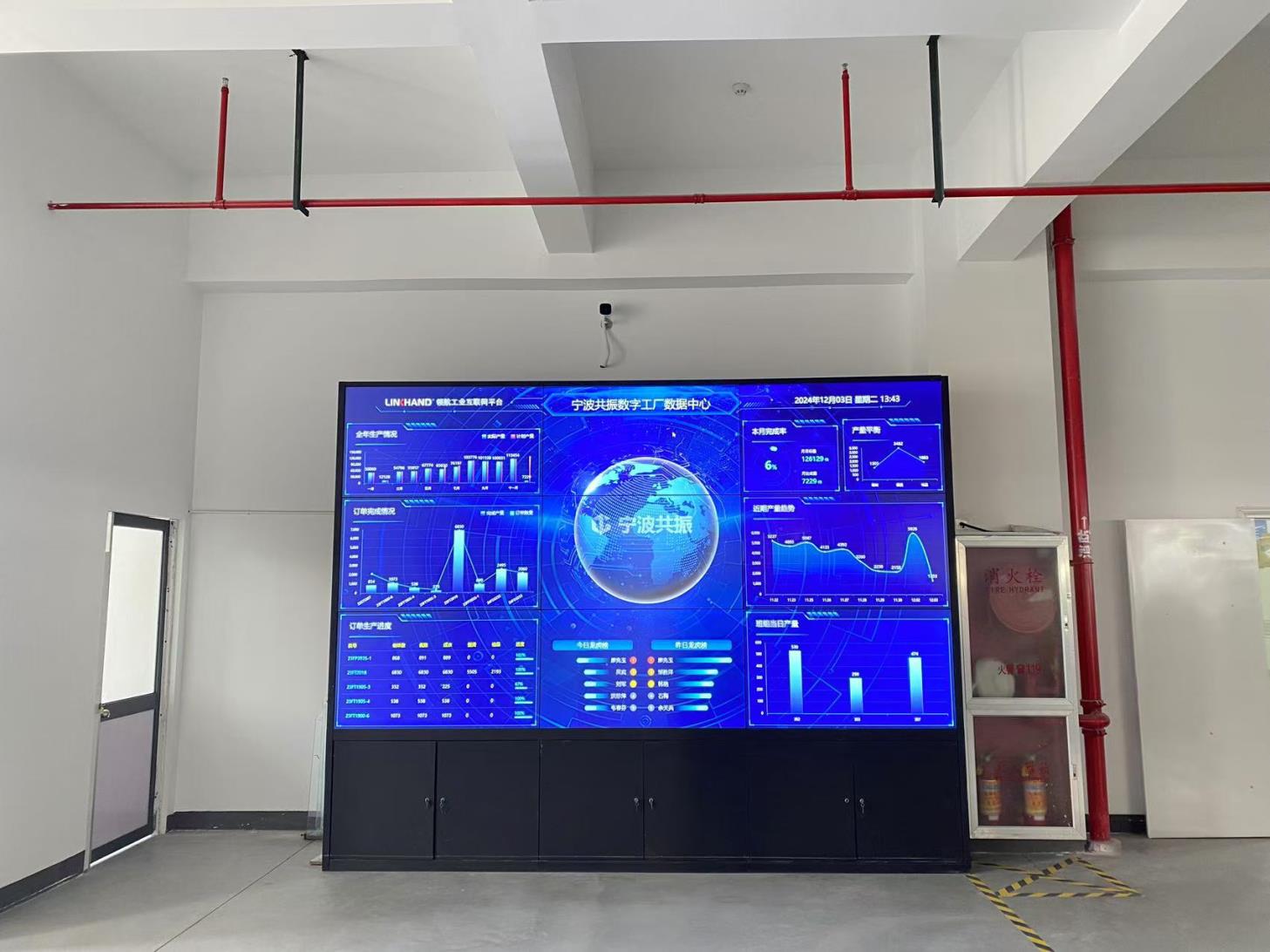
Production tracking supports consistency, but the buyer still needs claim-specific documents.
Comparison table: claim versus document
The table below is the core buyer comparison. It shows what the GRS certificate covers and what still needs separate evidence.
| Supplier claim | What GRS certificate CU1143477GRS-2023-00097318 supports | What the buyer still needs | Activewear example |
|---|---|---|---|
| Recycled material sourcing and traceability | Covered by the certificate scope | Confirm product and material scope in the certificate record | Yoga leggings, seamless sportswear |
| Moisture-wicking | Not covered | Separate fabric moisture-management test report | Moisture-wicking workout wear, gym and training wear |
| Quick-dry | Not covered | Separate quick-dry test report | Running apparel, training wear |
| Colorfastness | Not covered | Separate colorfastness test report | Tennis and pickleball apparel, golf apparel |
| Stretch and support | Not covered | Separate stretch and support test report | Four-way stretch leggings, sports bra development |
| UV protection | Not covered | Separate UV protection test report | Golf apparel, women's golf dresses, tennis and pickleball apparel |
| Water repellency | Not covered; not a certified parameter for running jackets | Separate water repellency test report | Running jackets and windbreakers |
| Abrasion resistance | Not covered | Separate abrasion resistance testing | Outdoor and hiking apparel |
| Pilling and shrinkage | Not covered | Separate quality control reports | Loungewear and yoga sets |
Use cases: where the gaps appear in activewear development
The claim-to-document gap becomes easier to see in specific product programs. The following examples keep the same comparison logic while showing why a single certificate cannot carry every claim.
Yoga leggings and four-way stretch leggings
For high-end squat-proof yoga leggings, a supported fabric direction is a Nylon/Spandex blend containing 75-80% Nylon and 20-25% Spandex at 240-280 GSM, with opacity, four-way stretch, buttery-soft touch and moisture-wicking ability as evaluation criteria. That is a specification starting point, not proof of tested performance. The GRS certificate can support recycled-content sourcing and traceability, but the buyer still needs separate stretch, support, moisture-wicking, pilling and shrinkage evidence where those claims are made.
Bonded technology can eliminate stitching friction and support comfort and shape retention as a construction feature. It does not replace a stretch and support test report. The buyer should keep the construction benefit and the test evidence in separate columns.
Running jackets and windbreakers
Water repellency is not a certified parameter for running jackets. If the supplier claims water repellency, the buyer needs a separate water repellency test report for the exact fabric and construction. The GRS certificate can sit in the recycled-content column, but it cannot move into the water-repellency column.
Outdoor and hiking apparel
Abrasion resistance for outdoor and hiking apparel requires separate testing. A recycled-content certificate does not test how a fabric surface performs under abrasion. The buyer should request abrasion resistance evidence before approving outdoor and hiking styles that carry a durability claim.
Loungewear and yoga sets
Pilling and shrinkage for loungewear and yoga sets need separate quality control reports. These are bulk quality claims, not recycled-content claims and not automatic performance results. The buyer should ask for the quality control report that matches the fabric, color and construction being approved.
Sports bra development, gym and training wear
Support and moisture-wicking claims belong in the performance test lane. A certificate for recycled content can be useful, but it does not establish support or moisture management. For sports bra development and gym and training wear, the buyer should request the specific test report for each performance claim and check that it matches the fabric used in the sample.
Tennis, pickleball and golf apparel
Colorfastness and UV protection are separate test items. Tennis and pickleball apparel, golf apparel, women's golf dresses and pleated tennis skirts can carry multiple performance claims, but each claim needs its own evidence. The buyer should not accept a recycled-content certificate as proof of colorfastness or UV protection.
Modest activewear and seamless sportswear
Modest activewear and seamless sportswear may combine coverage, opacity, stretch and comfort claims. The same rule applies: separate the recycled-content document from the performance and quality documents. The construction story can explain the design intent, but it should not be used as a substitute for test evidence.
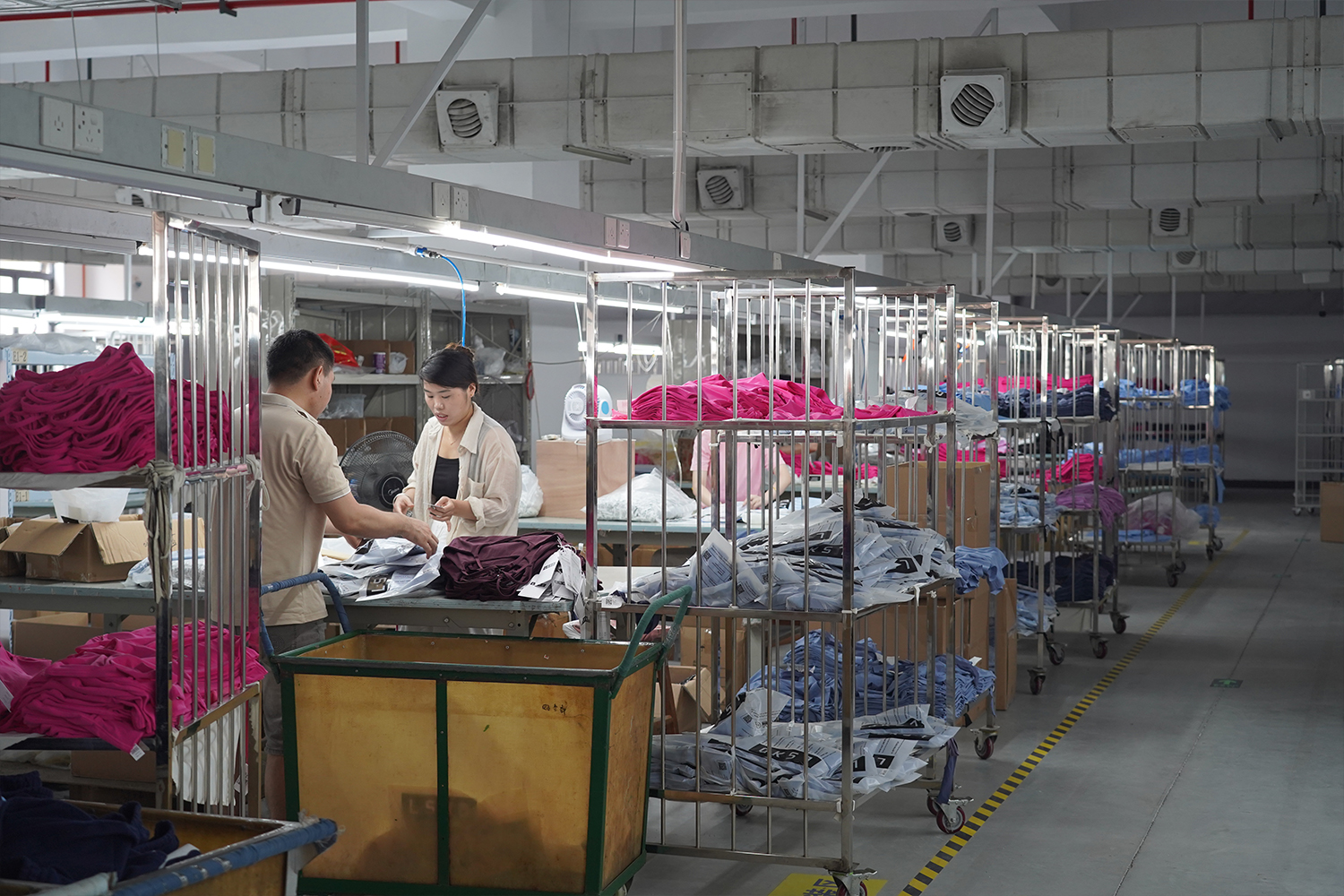
Before packaging and bulk release, the claim-to-document checklist should be closed.
What to ask suppliers before approving bulk
Use a short request list rather than a general request for certificates. The list below keeps the buyer focused on the exact document needed for each claim.
- Provide the GRS certificate record CU1143477GRS-2023-00097318 and confirm that its scope matches the product or material in the evidence pack.
- List every performance claim separately: moisture-wicking, colorfastness, stretch, support, UV protection, quick-dry, water repellency and abrasion resistance.
- Provide a separate test report for each performance claim, and confirm the tested fabric, color and construction match the bulk order.
- Provide separate quality control reports for pilling and shrinkage for loungewear and yoga sets.
- Confirm that bulk fabric weight and color fastness are consistent with the sample garment.
- Record any missing document as an open item before bulk approval. Do not convert a missing report into a yes by assumption.
This request list also improves sampling and prototyping. When the sample is reviewed, the buyer can check whether the sample fabric is the same fabric named in the test report and the certificate. The earlier the document gap is found, the less risk it creates for bulk production.
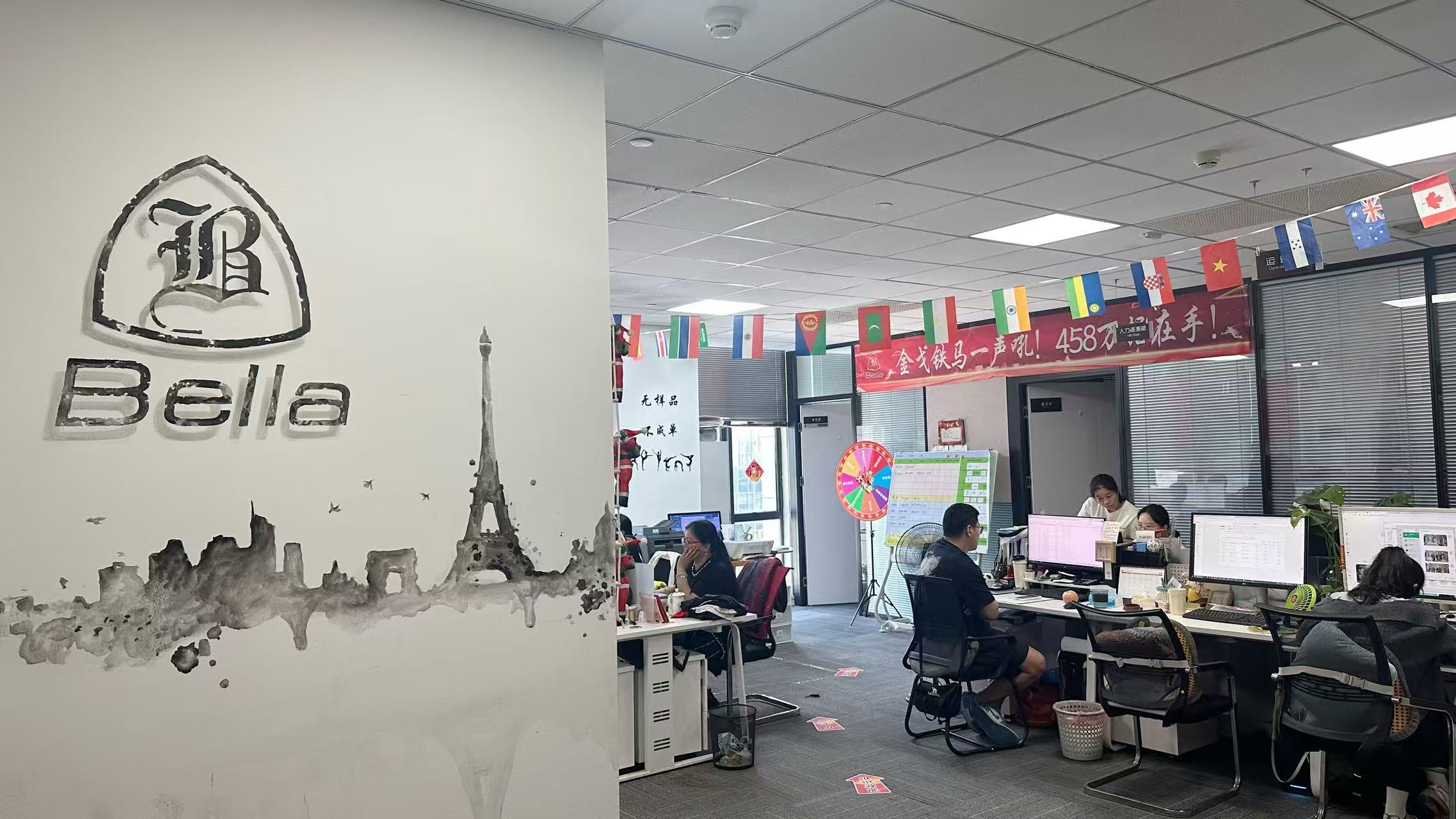
A sample request should include the claim list and the documents required for each claim.
FAQ: GRS certificate and performance claims
Does GRS certificate CU1143477GRS-2023-00097318 prove moisture-wicking or quick-dry performance?
No. The certificate is used for recycled material sourcing and traceability. Moisture-wicking and quick-dry are separate test items and need separate fabric test reports.
Does the GRS certificate cover colorfastness, stretch, support or UV protection?
No. Colorfastness, stretch, support and UV protection are separate performance claims. The buyer should request separate test reports for the exact fabric, color and construction being approved.
What extra evidence do running jackets need for water repellency?
Water repellency is not a certified parameter for running jackets. A water-repellency claim needs a separate water repellency test report for the running jacket or windbreaker fabric and construction.
What about outdoor and hiking apparel, loungewear and yoga sets?
Abrasion resistance for outdoor and hiking apparel requires separate testing. Pilling and shrinkage for loungewear and yoga sets need separate quality control reports. Neither claim is established by the GRS certificate.
How can a buyer check an evidence pack quickly?
Sort the pack into three lanes: recycled-content certificate, performance test reports and bulk quality control reports. Then match each claim to one lane and confirm that the document covers the exact product, fabric, color and construction. If a claim has no matching document, mark it as unverified.
Can Bellasports support sampling and production documentation?
Bellasports provides OEM/ODM activewear solutions covering sampling through bulk production, with a standard MOQ of 300 pieces per color per style and mixed sizes supported within one color. To start a sample or documentation review for yoga leggings, running jackets, outdoor apparel or loungewear sets, share your tech pack, reference sample or fabric requirements and list each performance claim you need supported.
Conclusion: the certificate and the test reports are complementary
The buyer decision is not choosing between a GRS certificate and performance testing. It is keeping each document in its correct lane. GRS certificate CU1143477GRS-2023-00097318 supports recycled material sourcing and traceability. Moisture-wicking, colorfastness, stretch, support, UV protection and quick-dry require separate test items. Water repellency for running jackets, abrasion resistance for outdoor and hiking apparel, and pilling and shrinkage for loungewear and yoga sets require separate testing or quality control reports.
Use this final checklist before approval: recycled content and traceability go to the GRS certificate; moisture-wicking, colorfastness, stretch, support, UV protection, quick-dry, water repellency and abrasion go to separate test reports; pilling and shrinkage go to separate quality control reports. If a supplier claim cannot be mapped to one of those documents, the claim is not yet supported for bulk approval.
Have Questions or Need More Details?
Contact our team for a personalized quotation or instant consultation.
Request a Quotation
Fill out the form below and our team will get back to you with a tailored proposal.
WhatsApp Direct Chat
Prefer to chat in real-time? Message us on WhatsApp for instant assistance & quick answers.
- Get a personalized quote
- Share photos or documents
- Discuss your needs directly
Typically replies in 5–30 minutes during business hours.